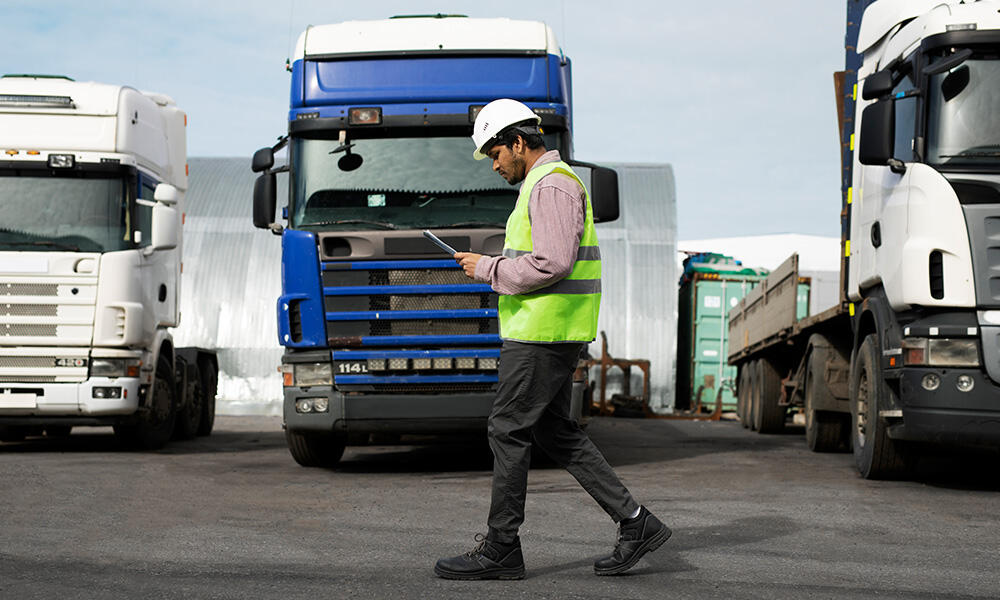
Core Importance: Box Truck Freight Loads - An Indispensable Link in Modern Logistics
In today's fast-paced, efficient supply chain environment, Box Truck Freight Loads (BFLs) In today's fast-paced, high-efficiency supply chain environment, Box Truck Freight Loads (BTL) are not an optional service, but rather a critical cog in the wheel that drives the industry. It neatly bridges the gap between the slow, costly LTL (Less-Than-Truckload) and wasteful FTL (Full-Truckload) transportation, creating significant value for shippers, carriers (owner-operators) and freight brokers, and is a true link between local and regional economies. It becomes a true artery connecting local and regional economies.
For carriers, especially owner-operators in vans, finding timely, high-quality freight assignments is central to survival and profitability. Effective sourcing directly eliminates costly Deadhead Miles, turning return trips or idle time into tangible revenue. This is directly related to operating margins and overall business sustainability. The efficient alignment of supply and demand in the marketplace ensures that owner-operators can maximize vehicle utilization, reduce idling, and boost revenue per mile.
For shippers, vans provide a “prime capacity” solution for handling 1 to 10 pallet loads. When packages are too small for full truckload shipment, and traditional LTL shipments can be too costly or time-consuming, vans provide a direct, fast mode of transportation that can dramatically reduce delivery times - compared to traditional LTL shipments that rely on hub-and-spoke distribution, vans can improve time-to-delivery times by 30% to 50%, which is critical for meeting tight delivery deadlines and customer expectations. Particularly in urban cores, restricted areas (e.g., height-restricted bridges), retail back alleys, or sites lacking loading docks, vans, with their flexible size and maneuverability (often coupled with hydraulic tailgates/lifts), can be the perfect solution for “last mile deliveries” or "platform-less deliveries. “Delivery without a loading dock” is ideal, solving the pain points that large trucks cannot access.
Safety is also an irreplaceable advantage of van transportation. The enclosed compartments provide all-around protection for the goods, effectively avoiding damage caused by bad weather, bumps on the way, theft or accidental collision, which is especially critical for high-value commodities, precision instruments, goods requiring temperature control (refrigerated/frozen transportation) or This is especially critical for high-value commodities, precision instruments, goods requiring temperature control (refrigerated/frozen transportation) or perishable goods, greatly reducing shippers' risks and insurance costs.
Market dynamics further emphasize its strategic importance. The segment is experiencing solid growth (around 8.1% annually), driven by the explosion of e-commerce logistics, the growing need for fast deliveries, and specialized transport requirements in specific industries (e.g. furniture handling, specialized equipment transport, local cold chain distribution, etc.). Driven by transportation requirements, van cargo transportation has become a highly scalable solution for responding to peak seasons, fluctuating emergency orders, or sudden project capacity needs. Freight brokers are able to quickly mobilize a vast network of vans to provide shippers with immediate capacity coverage without incurring the fixed costs of a long-term fleet.
Taken together, van freight transportation creates a win-win ecosystem for all: it helps carriers improve revenue and efficiency; it helps shippers optimize costs, accelerate transportation and ensure cargo safety; and it helps brokers efficiently match supply and demand to improve service reliability and profit margins. reliability and profit margins.
22
May
25
Jun
We do's TMS solved our multi-warehouse chaos! Real-time sync between East/West Coast hubs boosted heavy equipment order fulfillment to 98%The transportation KPl dashboard is gold - we hit 91% OTIF, 15% above industry average!

We do's LA warehouse made 'U.S. local fulfillment' real! FBA returns get inspected/relabeled in 48hrs vs 72hrs. During Black Friday, they nailed 12.000 orders with ZERO errors. Now 100% of our DTC orders use Wedo-returns down 20%!

Shenzhen Qian Hai Wedo SCM offers end-to-end supply chain solutions including ocean freight, air cargo, customs brokerage, and warehousing. With 800+ logistics specialists and 12 fulfillment centers, we deliver same-day processing, cost optimization, and real-time shipment visibility. Partner with a trusted global logistics provider.
Copyright © Shenzhen Qian Hai Wedo supply Chain Management Co.,Ltd. Privacy Policy
 EN
EN