They specialize in the “first and last mile” transportation of containers between ports, rail terminals, and warehouses, serving as a critical link in the efficient operation of international freight. Since 90% of global trade relies on maritime container shipping, the efficiency of drayage services directly impacts overall logistics costs and timeliness.
In the face of increasingly severe port congestion issues (such as an average container dwell time of 9 days at West Coast ports), experienced short-haul companies can reduce transit times by over 50% through optimized chassis truck scheduling, avoiding peak-hour customs clearance, and coordinating multimodal transport nodes. Additionally, they play a critical role in compliance assurance—handling customs security declarations (such as ACE electronic manifests), hazardous materials transport agreements, and regional environmental regulations (such as California's CARB emissions standards) to avoid penalties of tens of thousands of dollars for non-compliance.
The vulnerability of short-haul transportation often triggers a chain reaction: a single port delay can cause a 5-7 day supply chain disruption. Take a shipment valued at $50,000 as an example: subsequent losses from warehouse breach compensation, lost sales opportunities, and emergency transshipment costs could exceed $12,000. A high-quality short-haul partner can build risk-resilience, swiftly switching to alternative ports or rail hubs during port strikes, extreme weather, or chassis shortages to ensure uninterrupted cargo flow. For this reason, selecting a professional short-haul company with precise coordination capabilities, compliance technology, and emergency resources has become a core decision in corporate supply chain strategy.
22
May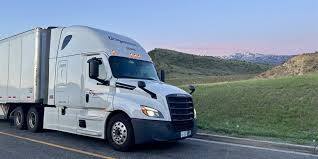
25
Jun
We do's TMS solved our multi-warehouse chaos! Real-time sync between East/West Coast hubs boosted heavy equipment order fulfillment to 98%The transportation KPl dashboard is gold - we hit 91% OTIF, 15% above industry average!

We do's LA warehouse made 'U.S. local fulfillment' real! FBA returns get inspected/relabeled in 48hrs vs 72hrs. During Black Friday, they nailed 12.000 orders with ZERO errors. Now 100% of our DTC orders use Wedo-returns down 20%!
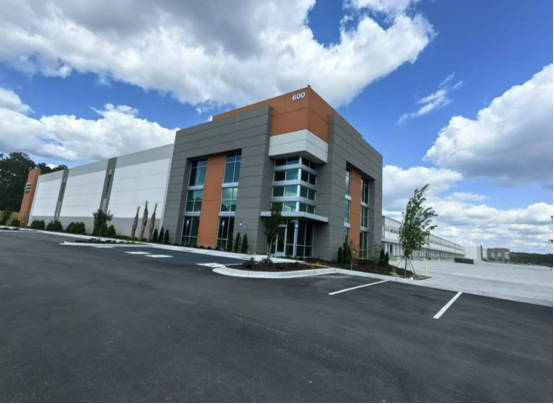

Shenzhen Qian Hai Wedo SCM offers end-to-end supply chain solutions including ocean freight, air cargo, customs brokerage, and warehousing. With 800+ logistics specialists and 12 fulfillment centers, we deliver same-day processing, cost optimization, and real-time shipment visibility. Partner with a trusted global logistics provider.
Copyright © Shenzhen Qian Hai Wedo supply Chain Management Co.,Ltd. Privacy Policy
 EN
EN