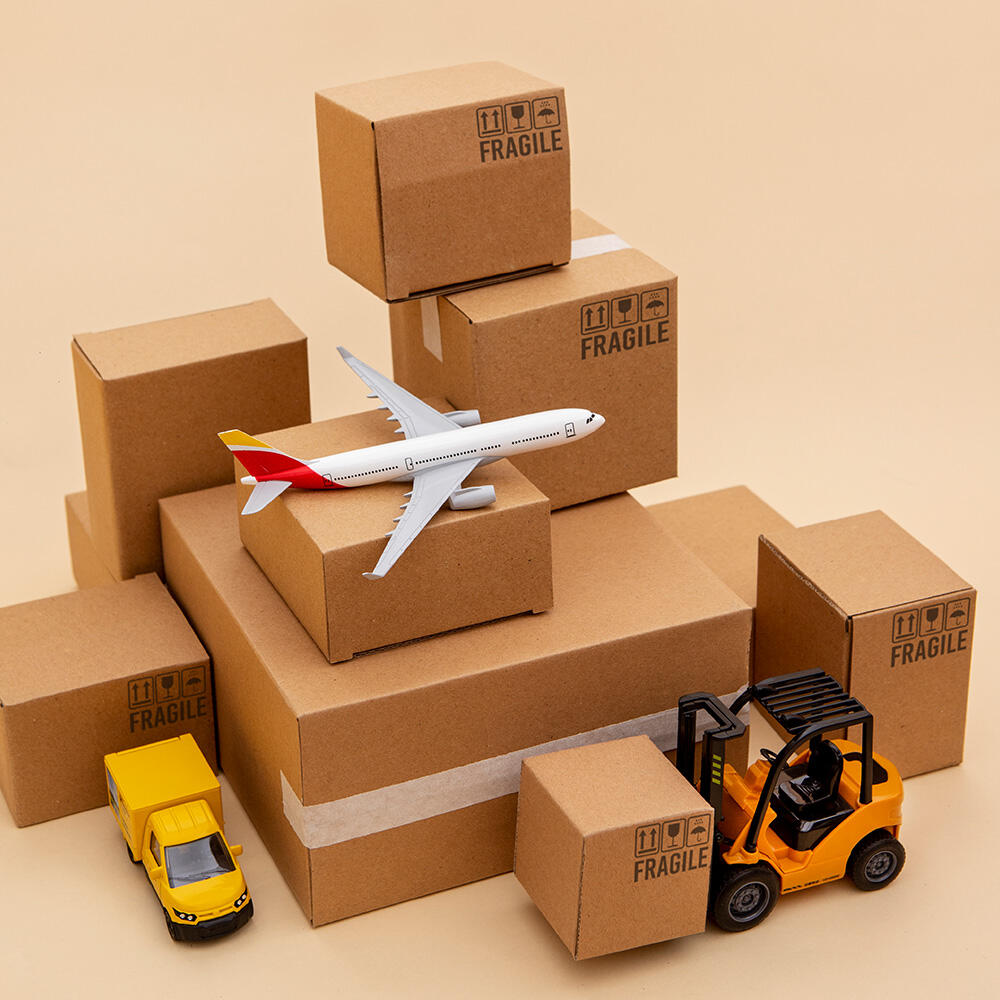
Driven by international transportation, modern enterprises are able to break through geographical boundaries and directly access the global consumer market of 7.9 billion people. Without an efficient international transportation network, domestic suppliers would lose the opportunity to participate in global trade. Cross-border logistics not only connects the production end with the consumption end, but also helps customers reduce transportation costs by up to 35% (World Bank data) through a combination of multimodal transportation (air, sea, and land transport), enabling them to make the critical leap from regional operators to global competitors.
Supply chain resilience heavily relies on specialized international transportation capabilities. A McKinsey report shows that 84% of companies saw revenue growth after optimizing their cross-border logistics systems. In the face of geopolitical fluctuations and port congestion risks, strategic international transportation services use real-time tracking technology and backup route planning to ensure on-time delivery rates of 99.2%, eliminating potential losses of millions of dollars caused by supply chain disruptions.
The compliance value of international transportation is also central to profit protection. Complex customs regulations (such as ISF declarations and INCOTERMS® terms) can lead to cargo delays and daily fines of tens of thousands of dollars. Professional international transportation providers enhance customs clearance success rates to 99.7% through precise HS code classification and pre-inspection mechanisms, avoiding tariff penalties of 8% to 15% for businesses.
From a macroeconomic perspective, every dollar invested in international transportation can stimulate four dollars in trade growth (verified by the World Bank).
22
May
25
Jun
Wedo's LA warehouse made 'U.S. local fulfillment' real! FBA returns get inspected/relabeled in 48hrs vs 72hrs. During Black Friday, they nailed 12.000 orders with ZERO errors. Now 100% of our DTC orders use Wedo-returns down 20%!

Wedo's TMS solved our multi-warehouse chaos! Real-time sync between East/West Coast hubs boosted heavy equipment order fulfillment to 98%The transportation KPl dashboard is gold - we hit 91% OTIF, 15% above industry average!
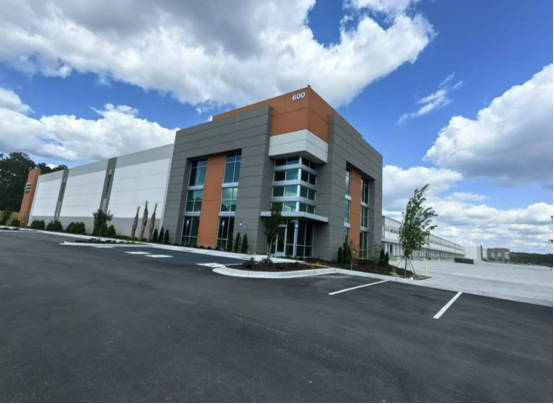

Shenzhen Qian Hai Wedo SCM offers end-to-end supply chain solutions including ocean freight, air cargo, customs brokerage, and warehousing. With 800+ logistics specialists and 12 fulfillment centers, we deliver same-day processing, cost optimization, and real-time shipment visibility. Partner with a trusted global logistics provider.
Copyright © Shenzhen Qian Hai Wedo supply Chain Management Co.,Ltd. Privacy Policy
 EN
EN