
 EN
EN
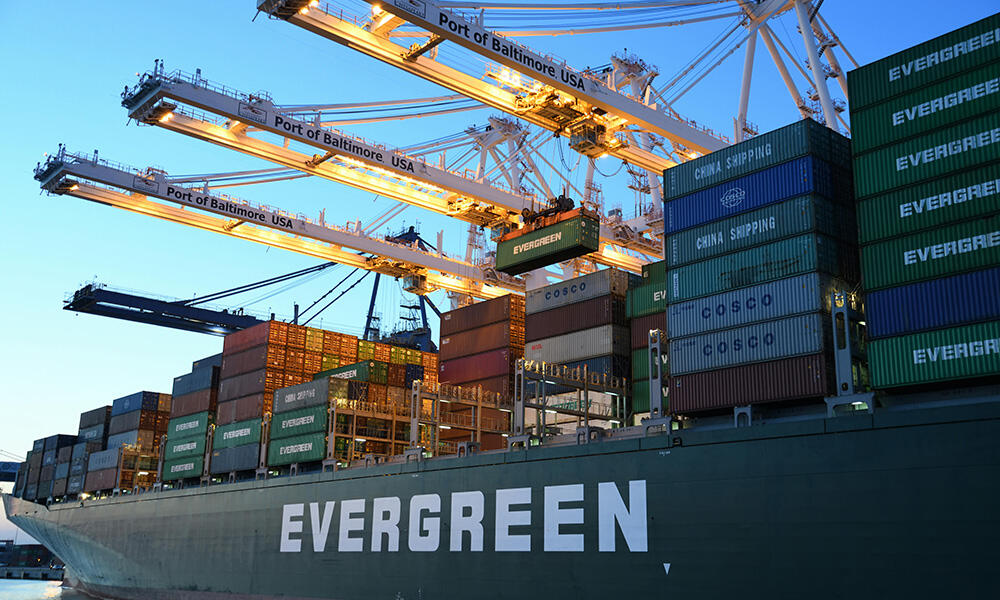
The Strategic Role of American Logistics in Global E-Commerce Access
How E-Commerce Logistics Drives Cross-Border Transactions
The U.S. logistics system plays a really important role when companies want to grow their business overseas. It helps simplify the whole customs process, makes shipping procedures consistent across different regions, and gives customers visibility into where their packages actually are throughout the entire journey. A recent report from 2024 on e-commerce logistics shows something interesting: about two thirds of people shopping across borders care more about how fast they get their stuff than what it costs. American companies have responded to this need by setting up these hub and spoke distribution systems that link together some of the world's busiest trade routes, making international shipping much faster and more reliable for everyone involved.
The Impact of U.S. Logistics Infrastructure on International Market Entry
Putting fulfillment centers close to major coastal ports and inland freight hubs gives American exporters around a 15 to 20 percent edge when it comes to costs in foreign markets. Take Los Angeles for example; most orders going through those logistics centers get to Asia Pacific destinations within just three days. The whole setup makes it easier for smaller companies to jump into new markets too since they can take advantage of bulk shipping deals even if they don't have huge order quantities. Look at what's happening at places like Savannah and Houston these days: their ports are dealing with about 40 percent more online shopping packages compared to regular cargo loads. This shows how global trade patterns are changing right before our eyes.
Data Point: 78% of U.S.-Based E-Commerce Sellers Rely on Domestic Logistics for Global Fulfillment (U.S. Department of Commerce, 2023)
Nearly 8 in 10 U.S. exporters depend on domestic third-party logistics providers for inventory management, last-mile delivery, and returns processing abroad. This centralized model improves delivery accuracy by 34% compared to fragmented international setups, based on 2023 customs data.
Supply Chain Optimization Through American Logistics Infrastructure
Real-Time Inventory and Supply Chain Management in E-Commerce
IoT-powered warehouse systems used by leading U.S. logistics providers deliver 23% higher inventory accuracy than global peers, supporting real-time stock visibility across international sales channels. This precision reduces annual overstocking costs by $8.2 billion (U.S. Chamber of Commerce, 2024) while maintaining a 99.6% order fulfillment rate for cross-border transactions.
AI-Driven Demand Forecasting in U.S. Logistics Networks
Top carriers leverage machine learning models that analyze 12.7 million data points daily–including weather patterns, social media trends, and regional search behavior–to forecast global demand. As outlined in McKinsey’s 2023 Logistics Innovation Report, these systems reduce stockouts by 32% and improve delivery time predictions by 19% versus conventional methods.
Case Study: North American Fulfillment Network Reduces Delivery Times by 40%
A leading e-commerce company achieved an average delivery speed of 15 hours by placing warehouses near U.S. border crossings and using AI-optimized routing. Its Chicago facility processes 284,000 international orders per day, utilizing hybrid air-ground networks to cut average transit times to 2.3 days (Supply Chain Digest, 2024).
Third-Party Logistics (3PLs) Enabling Cross-Border E-Commerce Fulfillment
Global Shipping Programs and Cross-Border Services Offered by U.S. 3PLs
American third-party logistics providers bring something special to the table when it comes to shipping goods overseas. These companies handle things like getting better deals with carriers, automating all those complicated customs forms, and setting up warehouses in strategic locations across the country. This setup typically cuts down delivery time by around two to four workdays compared to traditional methods. Plus, they offer tools that convert currencies on the fly and calculate total costs including tariffs and duties, which makes everything much clearer for people buying from abroad. A recent study from last year showed that nearly three quarters of American companies exporting goods saw their customs paperwork processed faster when working with these logistics partners instead of handling everything themselves.
Integration of 3PL Systems With Major E-Commerce Platforms
API-driven integrations allow 3PLs to sync inventory in real time across 12+ platforms like Shopify and WooCommerce, helping merchants maintain under 1% error rates while scaling globally. A McKinsey (2023) study found that 67% of U.S. logistics providers now offer pre-built connectors for major marketplaces–a 140% increase since 2020.
Controversy Analysis: Are 3PLs Increasing Dependency Risks for Small Exporters?
Third party logistics partnerships can cut initial logistics expenses anywhere from 18 to 35 percent according to a WTO report from last year. But there are still worries about getting too dependent on these services. Some businesses notice their fees go up during certain seasons, they have less say over how their brand appears when packages arrive at customers' doors, and there's always that nagging risk of getting caught off guard by sudden changes in how trade algorithms work. Still, most small and medium enterprises tell similar stories. A recent survey showed that around 8 out of 10 companies involved in international trade hit profitability points 6 to 9 months quicker when working with third party logistics providers rather than trying to handle everything themselves.
Compliance and Technology in U.S. International Logistics Operations
Navigating Customs Clearance and Trade Regulations in Cross-Border Transactions
The advanced compliance software that many U.S. logistics companies now rely on is making a real difference when it comes to clearing goods through customs. E-commerce shipments are seeing around a 30% reduction in those frustrating clearance delays thanks to these systems. What makes them so effective? They handle all sorts of tedious work automatically, like figuring out the right tariff codes and preparing digital export documents something that becomes absolutely essential when dealing with complicated international regulations. And let's not forget about the built-in updates covering more than 190 different countries worldwide. This feature alone helps businesses steer clear of potentially costly mistakes. The U.S. Customs Agency reported back in 2023 that companies typically face about $15,000 in penalties whenever there are errors during customs processing. That kind of money adds up fast for anyone operating across borders regularly.
Logistics-Led Solutions for Tariff Management and Trade Compliance
AI platforms analyze historical shipment data to identify duty-saving opportunities, reducing landed costs by 8–12% for mid-sized exporters. By cross-referencing bilateral trade agreements and bonded warehouse options, these systems generate actionable insights via intuitive dashboards.
Blockchain for Transparency in Global E-Commerce Expansion
Distributed ledger technology creates tamper-proof records for international shipments, resolving 92% of cargo disputes within 24 hours–far below the industry average of 14 days. Walmart’s blockchain pilot demonstrated 2.5x faster traceability for perishable imports from Central America.
IoT and GPS Tracking Enhancing Supply Chain Visibility
5G-enabled container monitoring delivers 99.8% visibility across transpacific routes. Companies using integrated IoT platforms report 18% fewer stockouts in cross-border operations due to improved inventory planning.
Trend: 67% of U.S. Logistics Firms Offer API Integration with Shopify and WooCommerce (McKinsey, 2023)
Standardized API connections enable automatic generation of customs documents directly from e-commerce checkouts, reducing processing time by 40%. This integration also allows real-time display of landed costs, cutting international cart abandonment by 22%.
How Logistics Partnerships Accelerate Global E-Commerce Reach
Collaborations between U.S. logistics providers and e-commerce platforms have driven 22% faster global delivery times, according to a 2023 industry analysis. These alliances give sellers access to advanced last-mile networks and AI-powered clearance systems capable of processing 18,000 customs declarations per hour–a capability once exclusive to large enterprises.
This symbiotic relationship allows platforms to utilize domestic carriers’ DHS-certified trade compliance frameworks while logistics providers gain predictive demand insights from over 160 international markets. Research from the MIT Logistics Lab shows this model reduces cross-border fulfillment costs by 33% compared to standalone export operations.
Case Study: Automated Cross-Border Labeling Innovation
When an online marketplace teamed up with one of America's top shipping companies, they launched something pretty cool - labels generated through machine learning. Their new system can fill out those tedious 74 regulatory fields all by itself just by looking at product SKUs. According to research published last year in the Journal of Global Trade, this cut down on documentation mistakes by nearly 90%. What does that mean? Faster shipping times! Now products can go out the same day to customers in almost half the world's countries. Small businesses suddenly have access to 40% more potential export destinations than before, which makes a huge difference when trying to grow internationally without breaking the bank.
FAQs
How does American logistics influence global e-commerce trends?
American logistics systems simplify customs processes, enhance shipping consistency, and increase package visibility, crucially speeding up international shipments, which influences global e-commerce trends by meeting consumer expectations for fast delivery.
What benefits do U.S. fulfillment centers offer to exporters?
U.S. fulfillment centers, especially those near coastal ports and freight hubs, allow exporters to reduce costs by 15-20% and enable faster delivery times to destinations like the Asia Pacific region.
Why are 3PLs crucial for cross-border e-commerce?
Third-party logistics providers manage international shipping, streamline customs processes, offer conversion tools, and improve delivery timelines, making them crucial for businesses engaging in cross-border e-commerce.
Are there risks associated with relying on 3PLs?
While 3PLs can lower initial logistics costs significantly, there are risks such as potential fee increases, less brand control, and dependencies that could affect business operations.
Table of Contents
- The Strategic Role of American Logistics in Global E-Commerce Access
- Supply Chain Optimization Through American Logistics Infrastructure
- Third-Party Logistics (3PLs) Enabling Cross-Border E-Commerce Fulfillment
-
Compliance and Technology in U.S. International Logistics Operations
- Navigating Customs Clearance and Trade Regulations in Cross-Border Transactions
- Logistics-Led Solutions for Tariff Management and Trade Compliance
- Blockchain for Transparency in Global E-Commerce Expansion
- IoT and GPS Tracking Enhancing Supply Chain Visibility
- Trend: 67% of U.S. Logistics Firms Offer API Integration with Shopify and WooCommerce (McKinsey, 2023)
- How Logistics Partnerships Accelerate Global E-Commerce Reach
- Case Study: Automated Cross-Border Labeling Innovation
- FAQs