
 EN
EN
Стратегический Складирование и дистрибуция Проектирование сети
Оптимизация расположения складов с учётом скорости, стоимости и устойчивости
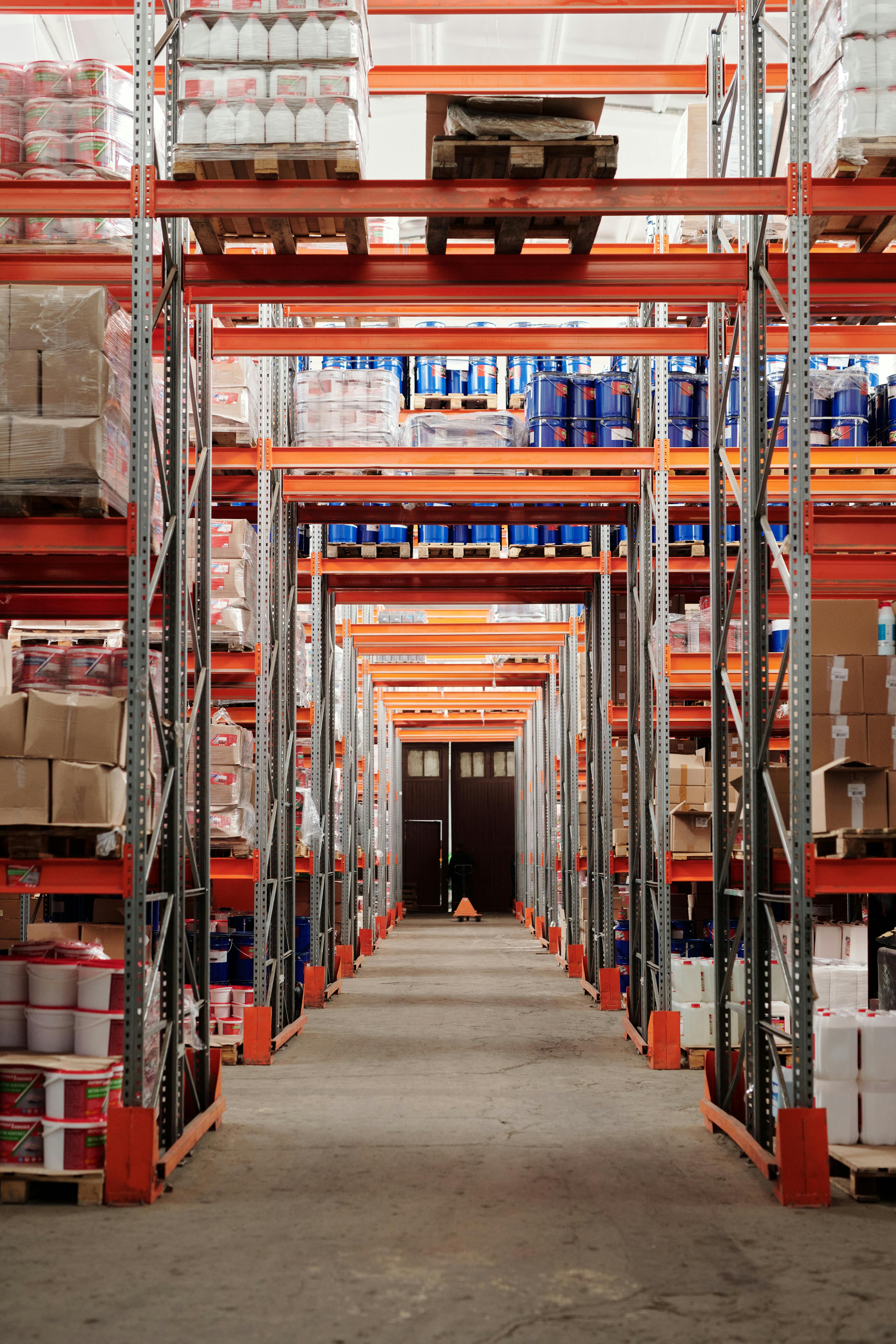
Расположение складов оказывает огромное влияние на скорость доставки товаров, себестоимость операционной деятельности и экологический след. Если склады находятся в непосредственной близости от мест проживания большинства клиентов, примерно 78 % жителей городов могут получить свои заказы уже на следующий день. Кроме того, согласно некоторым логистическим отчётам за 2023 год, компании экономят около 22 % расходов на последнюю милю доставки. Однако расчёты усложняются. Аренда склада в Среднем Западе может быть на 30 % дешевле по сравнению с другими регионами, однако при этом сроки доставки посылок жителям побережий увеличиваются. Что касается экологических инициатив, размещение объектов рядом с железнодорожными терминалами значительно снижает объём выбросов углекислого газа — примерно на 17 тонн ежегодно на каждый такой объект. В настоящее время компании используют сложные программные решения для прогнозирования колебаний цен на топливо и оценки рисков, связанных с погодными условиями, при выборе мест размещения складов. Цель состоит в том, чтобы найти такие локации, которые обеспечивают оптимальный баланс между скоростью доставки, экономией средств и экологической устойчивостью. Такой подход повышает устойчивость цепочек поставок в период неопределённости и одновременно удовлетворяет потребности клиентов, ожидающих быстрой доставки без ущерба для окружающей среды.
Стратегии размещения запасов для сокращения циклов от заказа до отгрузки
Умное размещение запасов действительно сокращает время, необходимое для отправки товаров, когда решения о распределении принимаются на основе данных. В настоящее время компании создают промежуточные складские точки, где популярные товары хранятся примерно в 160 км от тех мест, где их ожидают клиенты, поэтому грузовикам не приходится проезжать расстояние больше, чем за один день. Вся система работает по принципу «центр — спицы». Товары с низким спросом хранятся на крупных региональных центрах, тогда как ходовые позиции направляются напрямую в небольшие локальные склады, расположенные поблизости. Такая организация позволяет сократить время обработки заказов примерно на 40 % по сравнению со старыми методами. При прогнозировании спроса в периоды высокой загрузки большинство компаний стремятся разместить около 80 % своего сезонного ассортимента в тех регионах, где ожидается высокий спрос, что помогает избежать раздражающих задержек на терминалах прямой трансшипментной перегрузки. Для скоропортящихся или срочных заказов многие склады вообще пропускают этап хранения на терминалах прямой трансшипментной перегрузки и отправляют товары в течение всего четырёх часов после их прибытия. В совокупности все эти стратегии позволяют сократить общий цикл от оформления заказа до фактической отправки почти на 60 %, одновременно обеспечивая учёт запасов с точностью порядка 99 % — показатель, соответствующий нормальным эксплуатационным характеристикам, заявленным ведущими программными решениями для управления складскими операциями.
Технологически обусловленная эффективность складирования и распределения
Система управления складом (WMS) и возможность отслеживания запасов в реальном времени обеспечивают точность и оперативность
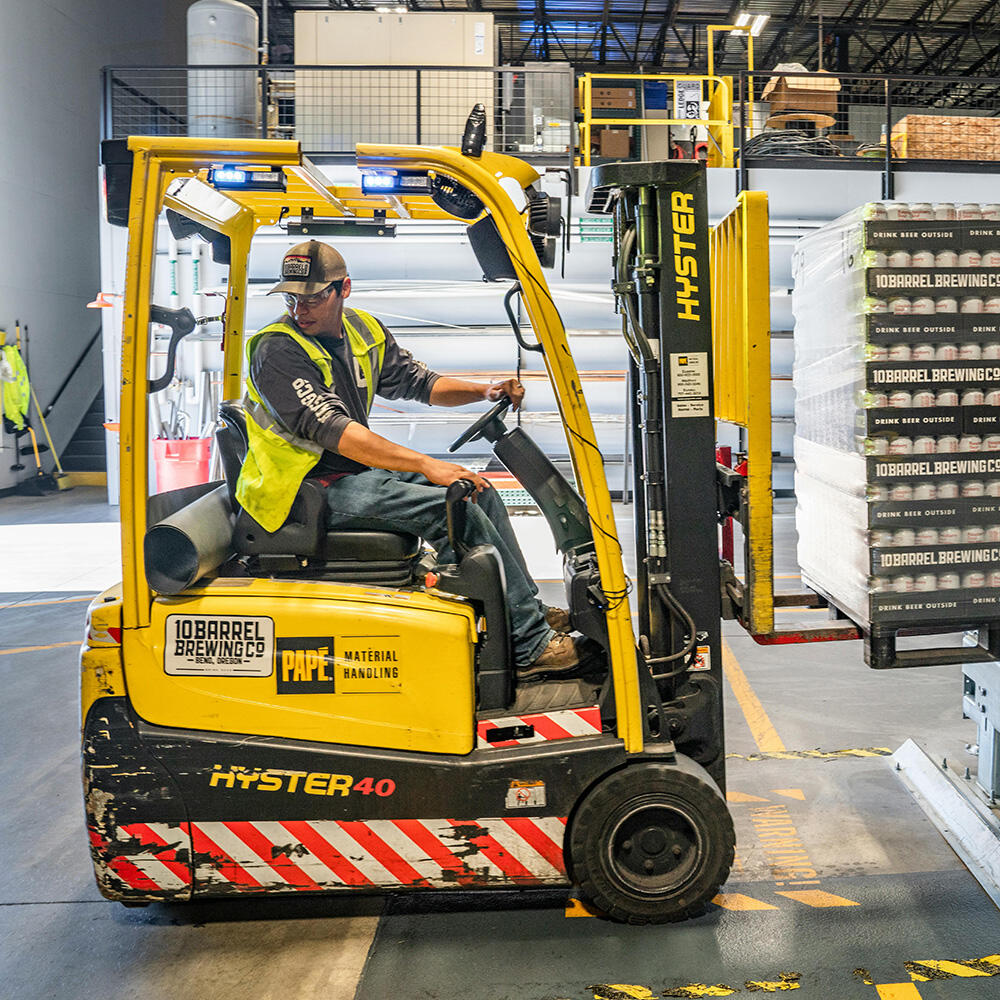
Системы управления складом (WMS) полностью изменили то, как компании управляют своими запасами. Благодаря возможности отслеживания в реальном времени на всех складских участках эти системы позволяют свести к минимуму досадные ошибки ручного учёта, которые ранее были распространённой проблемой на складах по всему миру. Согласно отчёту Logistics Tech Review за 2023 год, предприятия, использующие современные решения WMS, в большинстве случаев достигают точности учёта запасов свыше 99 %, а расхождения в остатках сокращаются примерно на 40 %. Мгновенный поток данных обеспечивает более слаженную работу всех процессов: заказы обрабатываются быстрее, сотрудники точно знают, где им необходимо находиться, а пополнение запасов осуществляется именно тогда, когда это требуется. Такая координация позволяет сократить сроки доставки почти на треть во многих случаях. Благодаря датчикам Интернета вещей (IoT) и меткам RFID, установленным по всему складскому помещению, персонал всегда имеет актуальную информацию о текущем состоянии товаров, что значительно упрощает повседневное управление операциями для всех задействованных сторон.
- Перенаправлять сборщиков при возникновении заторов
- Автоматический повторный заказ при достижении пороговых значений страхового запаса
- Проверка отправок на соответствие заказам до отгрузки
Такая оперативность минимизирует задержки поставок и повышает показатели удовлетворённости клиентов на 22 % в секторах с высокой оборачиваемостью, например в розничной торговле.
Автоматизация и робототехника ускоряют процессы комплектации, упаковки и отгрузки
Автоматизация интегрируется с потоками данных WMS для физического ускорения рабочих процессов. Роботизированные системы комплектации увеличивают темпы обработки с 100 строк в час вручную до 300–400 строк в час, сокращая затраты на оплату труда на 35 %, согласно Отчёту по автоматизации цепочек поставок за 2023 г. . Ключевые внедряемые решения включают:
| ТЕХНОЛОГИЯ | Функция | Повышение эффективности |
|---|---|---|
| АС/РС | Вертикальное хранение и извлечение | использование 90 % объёма складского пространства |
| AGV (автоматически управляемые транспортные средства) | Транспортировка поддонов | на 50 % меньше ошибок при маршрутизации |
| Умные сортировщики | Маршрутизация посылок | вдвое более высокая скорость отправки |
Одновременно автоматизированные упаковочные станции динамически подстраивают размеры коробок, сокращая отходы упаковочного материала на 18 %. Такая координация сокращает цикл «заказ — отгрузка» с часов до минут, что напрямую обеспечивает масштабируемую доставку в тот же день.
Интегрированное складское хранение и распределение как катализатор цепочки поставок
Когда компании интегрируют свои операции по складированию и распределению, они фактически объединяют отдельные логистические процессы — такие как хранение запасов, выполнение заказов и управление транспортировкой — в единую согласованную систему, основанную на данных. Связь между этими различными компонентами устраняет раздражающие операционные «силосы», которые мешают большинству цепочек поставок, обеспечивая предприятиям прозрачность и полный контроль над тем, как товары перемещаются — от момента их закупки до получения клиентом. Теперь менеджеры складов могут точно видеть, какие запасы имеются в наличии, отслеживать текущее местоположение каждого заказа и контролировать маршруты доставки в режиме реального времени, что позволяет им своевременно вносить обоснованные корректировки до возникновения проблем, а не реагировать экстренно после сбоя. Например, если во время пиковых периодов покупок на складе заканчиваются популярные товары, интегрированные системы автоматически задействуют другие близлежащие распределительные центры, которые оперативно направляют необходимые товары, сохраняя уровень обслуживания без задержек, связанных с ожиданием поставок из удалённых объектов. Согласно данным журнала Supply Chain Quarterly за прошлый год, подобная координация обычно сокращает сроки доставки на 18–32 %. Кроме того, компании экономят средства, поскольку избегают избыточного накопления запасов. Когда складирование и распределение работают в рамках единого плана, компании получают реальную пользу от этой прозрачности: они находят более эффективные маршруты доставки, сокращают количество операций с товарами и ускоряют весь процесс оформления заказов. Такой комплексный подход повышает устойчивость цепочек поставок к непредвиденным сбоям и способствует удовлетворённости клиентов благодаря более быстрой и надёжной доставке, чем раньше.
Измеримый эффект: снижение затрат, повышение скорости и укрепление устойчивости благодаря Складирование и дистрибуция Оптимизация
Кейс: региональные центры консолидации сокращают затраты на «последнюю милю» на 27 %
Создание региональных центров консолидации оказывает реальное влияние на работу складов и систем распределения. Например, одна из ведущих логистических компаний сократила свои затраты на доставку «последней мили» на 27 %. При этом именно «последняя миля» является самой дорогостоящей частью любой цепочки поставок, поэтому такой результат имеет большое значение. Компания достигла этого, разместив быстро оборачиваемые товары ближе к конечным потребителям. Каковы результаты? В среднем пробег их грузовиков сократился на 41 %, сроки доставки заказов сократились в целом на два дня, а зависимость от сторонних перевозчиков при отправке грузов уменьшилась. Ещё одним важным преимуществом стало повышение устойчивости системы. При возникновении сбоев в определённых регионах такие региональные центры позволяли перенаправлять грузы значительно эффективнее, чем традиционные централизованные модели, сократив задержки примерно на 63 %. Анализ всех этих показателей объясняет, почему компании всё чаще внедряют данную стратегию в различных отраслях.
- Производительность труда возросла на 22 % за счёт сокращения числа операций по перемещению грузов
- Использование хранилища увеличилась на 30 % благодаря динамическому распределению мест хранения
- Точность заказов достигла 99,8 % благодаря интегрированной проверке в системе WMS
Эти результаты показывают, как комплексная оптимизация выходит за рамки снижения издержек — обеспечивая конкурентные преимущества в скорости обслуживания, операционной гибкости и устойчивости цепочки поставок.
Часто задаваемые вопросы
-
Какие факторы влияют на выбор места для склада?
Расположение складов влияет на скорость доставки, операционные расходы и экологическое воздействие. Ключевыми критериями являются близость к клиентам, стоимость недвижимости, состояние инфраструктуры, а также экологические стратегии, например, расположение в непосредственной близости от железнодорожных терминалов. -
Как системы WMS в режиме реального времени повышают эффективность складских операций?
Системы управления складом (WMS) повышают эффективность операций за счёт обеспечения сквозной видимости запасов в режиме реального времени, повышения точности учёта, сокращения ошибок, а также ускорения обработки заказов и пополнения запасов благодаря использованию датчиков Интернета вещей (IoT) и радиочастотных меток (RFID). -
Какова польза региональных консолидационных центров в распределительной логистике с точки зрения складского хозяйства и распределения?
Региональные центры консолидации снижают затраты на доставку «последней мили», повышают скорость доставки и укрепляют устойчивость системы за счёт стратегического размещения товаров с высоким спросом ближе к местам потребления.
Содержание
- Стратегический Складирование и дистрибуция Проектирование сети
- Технологически обусловленная эффективность складирования и распределения
- Интегрированное складское хранение и распределение как катализатор цепочки поставок
- Измеримый эффект: снижение затрат, повышение скорости и укрепление устойчивости благодаря Складирование и дистрибуция Оптимизация