
 EN
EN
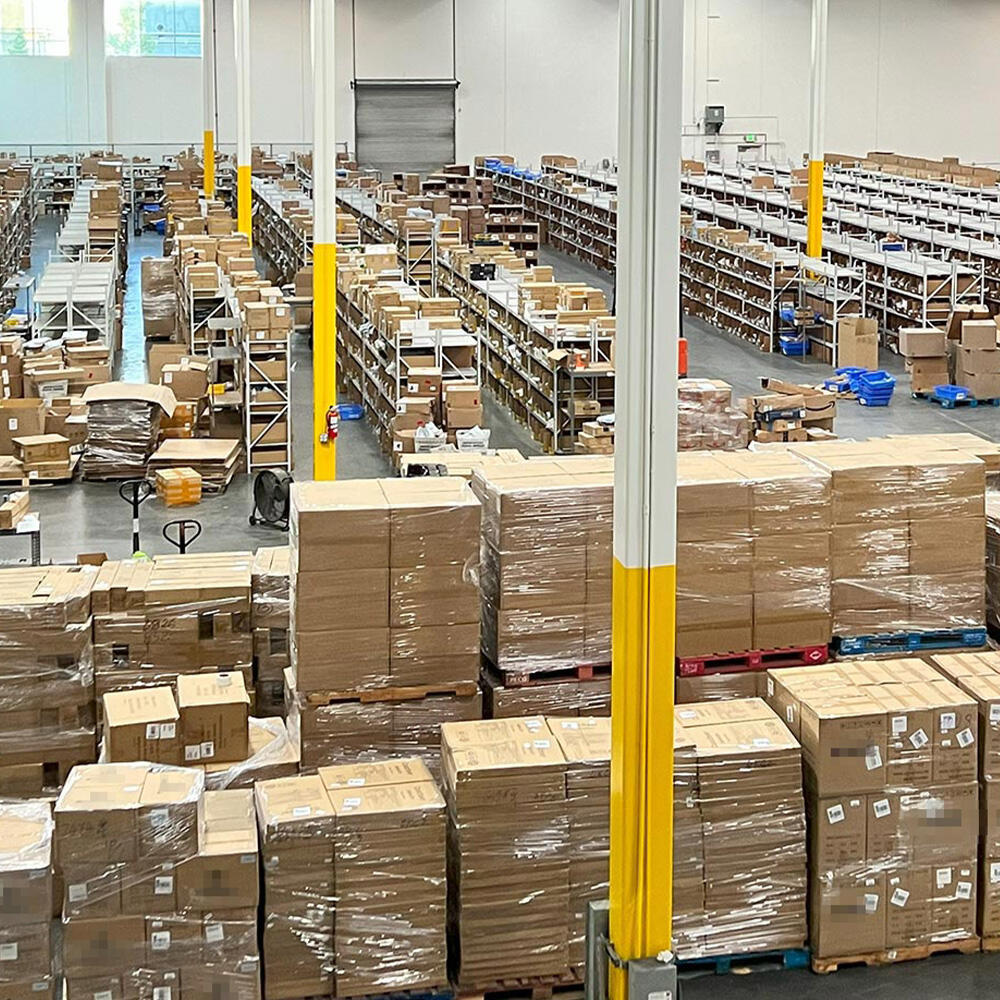
Build Inbound Resilience with US Logistics Solutions
Reduce port-to-warehouse cycle time through integrated US-based receiving, deconsolidation, and cross-docking
US integrated logistics systems really cut down on how long it takes for goods to get from the port to the warehouse by coordinating three main steps: getting stuff in, breaking down big shipments, and moving products straight through. Take Los Angeles for instance. As soon as containers hit the docks there, special facilities right next door start working on them within about 15 miles of where ships unload. These deconsolidation centers basically take those huge shipping containers filled with all sorts of products and split them into smaller packages headed for specific places. Meanwhile, cross docking means items go directly from incoming trucks to outgoing ones without ever touching storage space. Companies using this approach save between two and three days compared to regular warehouse operations according to recent studies by Armstrong & Associates. That kind of time savings makes a huge difference in supply chain efficiency.
Key outcomes include:
- 30% faster inventory availability through parallel processing of documentation, inspection, and movement
- 22% lower drayage costs by reducing container dwell times at port terminals
- Real-time exception management that flags delays before they cascade—enabling rapid intervention
The result is a transformation of ports from chokepoints into throughput accelerators—especially critical for seasonal promotions, perishable goods, and time-sensitive retail launches.
Ensure seamless customs compliance and mitigate cross-border risk with embedded regulatory expertise
Complying with US customs regulations isn't just about filling out paperwork these days. Customs professionals need to constantly keep up with changing trade policies, figure out the right tariff codes, and stay aware of what enforcement agencies are focusing on at any given time. Many logistics companies that handle this stuff have their own certified customs experts working inside bonded warehouses. These specialists check documents before cargo arrives, verify those tricky HS codes, and determine where goods actually come from. The whole system works much better than old fashioned manual processes. Companies using this approach typically see around 65 percent fewer delays when dealing with CBP inspections, which makes a huge difference in getting products to market on time.
Risk mitigation is built into the operating model:
- Automated restricted-party screening against OFAC, BIS, and UN sanctions lists
- Duty deferral and optimization via Foreign-Trade Zone (FTZ) designation—allowing duty-free storage, assembly, and re-export
- Audit-ready recordkeeping and contingency protocols for CBP inquiries
Ongoing monitoring of regulatory shifts—including Section 301 tariffs, UFLPA enforcement, and ACE system updates—prevents costly violations. As Ponemon Institute’s 2023 Supply Chain Risk Report notes, the average penalty for noncompliance now exceeds $740,000 per incident; embedded expertise converts cross-border complexity into predictable, auditable execution.
Enhance Visibility and Responsiveness via Technology-Driven US Logistics Solutions
Real-time tracking, cloud-based WMS, and API-enabled integrations for end-to-end supply chain transparency
Today's US logistics operations bring everything into view using tech designed specifically for these tasks instead of just adding on random modules later. Trailers equipped with GPS give continuous location updates every minute, complete with alerts when vehicles go off course based on set boundaries. The heart of it all is one cloud-based warehouse management system that acts as the main reference point throughout the entire country network. This system keeps track of when goods arrive at facilities, where they get stored, regular inventory checks, and what shipments are leaving right now, all happening simultaneously. What makes this setup really work well is how easily it connects with major enterprise resource planning software like SAP S/4HANA and Oracle NetSuite, transportation management systems, and various shipping company platforms. These connections cut down on the need for people to manually check records against each other and eliminate those frustrating duplicate data entries that waste so much time.
This integration enables proactive decision-making: transportation managers reroute shipments around congestion or weather events 68% faster than peers relying on fragmented tools (2024 CSCMP Logistics Benchmark). Operational transparency also drives measurable efficiency—dwell times drop by 27%, and exception-handling costs fall by up to $740,000 annually, per Ponemon’s analysis.
AI-powered demand sensing and dynamic replenishment to navigate volatility and reduce stockouts
Visibility alone doesn’t resolve volatility—actionable responsiveness does. Leading US logistics providers layer AI-driven analytics over real-time data streams to convert insight into execution:
- Demand sensing algorithms ingest point-of-sale data, local weather, social sentiment, and promotional calendars—predicting regional demand shifts with 92% accuracy, as validated in the 2024 Logistics Tech Report
- Dynamic replenishment engines automatically adjust safety stock targets, trigger mid-transit diversions, and prioritize fulfillment based on real-time service-level performance
Brands using these capabilities reduced excess inventory by 33% and cut stockouts by 41% during supply disruptions—including port congestion and labor shortages. During the 2023 West Coast port slowdown, users maintained 98% on-time fulfillment versus the industry average of 74%.
Scale Seamlessly with Flexible 4PL and Managed Transportation Services
On-demand capacity, multi-carrier orchestration, and contract-light scalability for growth-stage brands
For brands in their growth phase, having a logistics system that actually grows along with customer demand is essential, rather than working against it at every turn. What makes flexible fourth-party logistics providers so valuable is their ability to offer something traditional logistics companies just can't match. Instead of being stuck with those old fashioned fixed contracts, these providers manage dynamic carrier networks that adapt as needed. The real advantage comes when businesses suddenly need extra transportation options. These networks give instant availability to standard dry vans, temperature controlled trucks, and local delivery services throughout key shipping routes. And best of all? Everything gets activated exactly when it matters most during busy holiday periods, unexpected sales spikes, or whenever expanding into fresh markets creates sudden shipping requirements.
Multi-carrier orchestration intelligently selects carriers based on real-time cost, transit time, reliability scores, and equipment availability—reducing average transit times by up to 30%. Crucially, the model operates without minimum volume commitments or long-term exclusivity clauses. Brands pay only for utilized capacity—aligning logistics spend directly with revenue generation.
This agility addresses the top operational priority for mid-market businesses: 72% cite scalability as their #1 supply chain challenge (McKinsey 2023 Logistics Survey). By decoupling infrastructure investment from growth velocity, flexible 4PL transforms logistics from a fixed cost center into a responsive growth enabler.
Future-Proof Sourcing Strategy Through US Logistics Solutions Integration
Bringing US logistics into the mix of sourcing strategies has moved beyond just being a smart move—it's now essential for building resilient supply chains. Businesses that pair multiple sources like having two or three suppliers for critical parts with modern US logistics systems cut down on supplier concentration risks significantly. The numbers back this up too; a recent study called the 2023 Supply Chain Resilience Benchmark put out jointly by MIT CTL and Gartner shows these companies face about half as much risk compared to those relying on single suppliers. This kind of diversification makes sense when looking at how global markets can suddenly shift overnight.
When companies integrate these systems, they get smarter coordination between their international and local operations. Artificial intelligence looks at how long it takes suppliers abroad to deliver goods, checks what space is available in warehouses back home, tracks when shipments will arrive, and considers what customers might want in different regions. This helps automatically balance stock levels and spot potential problems before they happen. What happens next? Companies see their extra inventory expenses drop somewhere around 18 to maybe even 30 percent. And guess what? They still meet all their service level agreements. Pretty impressive considering everything from changing trade rules to unexpected issues in specific areas can throw most supply chains into chaos.
When it comes to sustainability, companies need to build it into their operations from day one rather than trying to bolt it on later. Many forward-thinking businesses now track carbon intensity down to specific lanes in their supply chains. They get suggestions for optimizing different transportation modes which helps cut those tricky scope 3 emissions while still keeping things moving fast and within budget constraints. What makes this really powerful is that it creates what some call structural agility. Companies can actually shift where they source materials, change delivery routes, and adjust how they fulfill orders almost instantly. This isn't just about scrambling when something goes wrong either. It becomes part of everyday operations, giving businesses that extra flexibility to respond to market changes without breaking a sweat.
FAQ Section
What is cross-docking?
Cross-docking is a logistics process where goods are directly transferred from incoming transport to outgoing transport without being stored in a warehouse. This helps reduce storage costs and speeds up the distribution process.
How do US logistics systems reduce inventory availability time?
US logistics systems use parallel processing of documentation, inspection, and movement to make inventory available 30% faster than traditional methods.
What is a 4PL provider?
A Fourth-Party Logistics (4PL) provider manages and oversees the entire supply chain, often using flexible, dynamic carrier networks to meet varying transportation needs without fixed contracts.
Why is US logistics important for global supply chain resilience?
US logistics solutions enhance coordination between international and local operations, incorporating AI and other technologies to manage risks, optimize inventory, and fulfill service level agreements efficiently.