
 EN
EN
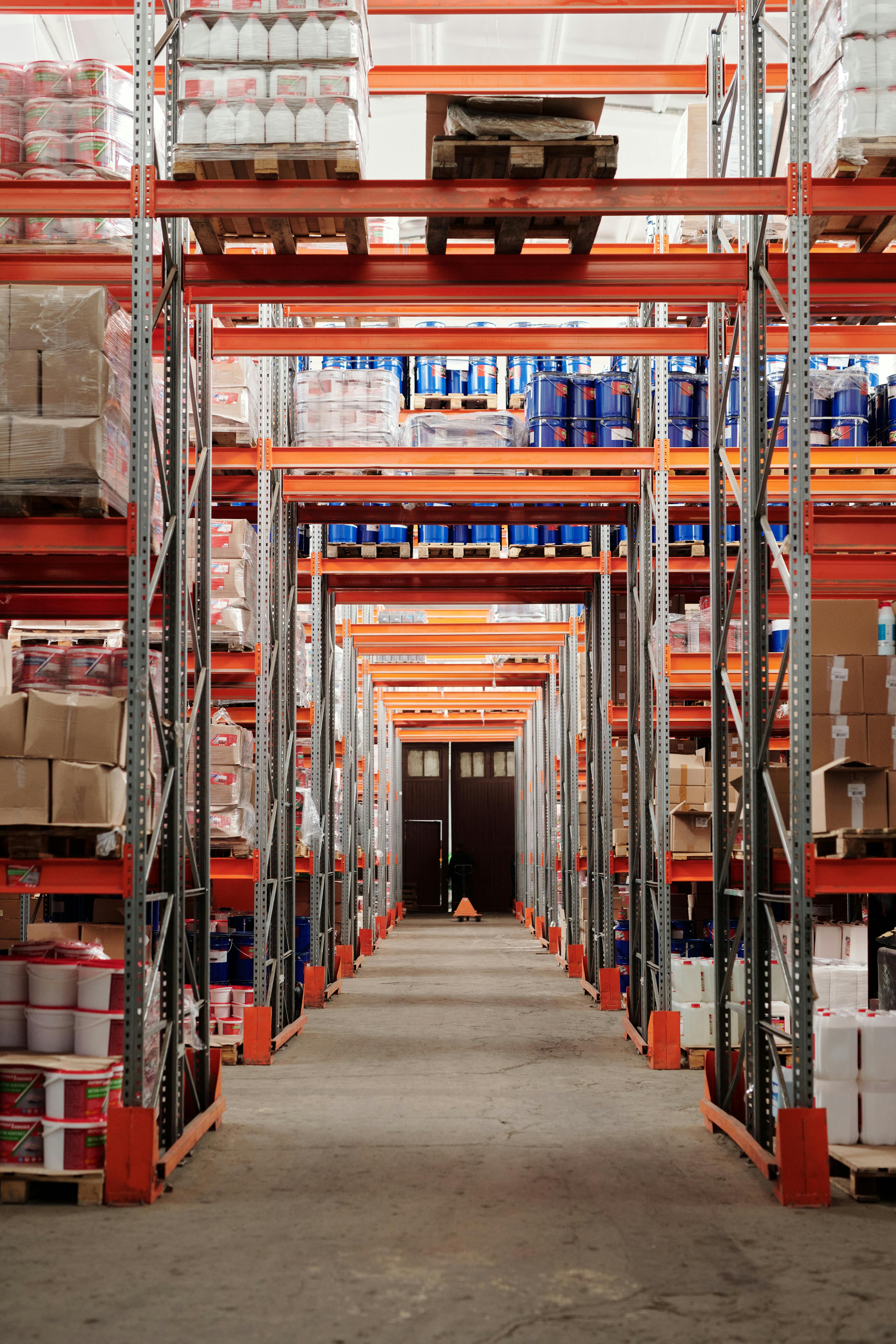
Warehousing and Inventory Management in Modern American Logistics
The Evolution of Warehousing in the E-Commerce Era
E commerce has exploded in recent years, especially after US online sales hit over 1.1 trillion dollars back in 2023. Warehouses aren't just places to store stuff anymore but have become active hubs for getting products out the door fast. People want their orders delivered the same day now, and retailers carry way more different items than before. All this has led to about 40 percent more warehouse space being built since 2020. New warehouses focus on stacking things higher vertically, using flexible floor plans that can change as needed, and locating closer to where customers actually live in cities.
Technology-Driven Optimization of Inventory Accuracy and Turnover
IoT sensors, RFID tagging, and AI-powered forecasting now enable 98% inventory accuracy, reducing stock discrepancies by 65% compared to manual methods. Real-time analytics platforms support dynamic replenishment strategies that shorten turnover cycles by 18% (ALAN, 2023). One Midwest apparel distributor reduced carrying costs by 27% using machine learning to anticipate regional demand shifts.
Balancing Automation and Labor in American Warehousing Facilities
AGVs take care of around 54% of all pallet movements these days, but people still need to keep an eye on things for quality checks and when problems pop up. The latest numbers from MHI's 2024 report show that companies using a mix of automation and human workers actually see a 23% productivity bump compared to those going all in on robots. With this shift happening, businesses are reallocating their training dollars too. About 31% of what companies spend on frontline worker development is now going toward teaching employees how to work alongside collaborative robots and make sense of the data they generate. Some warehouses even report that workers who understand both manual processes and automated systems become invaluable troubleshooters during peak operations.
Transportation and Trucking Innovations Across American Logistics Networks
Key Mobility Challenges in the Logistics Supply Chain
American logistics networks face persistent hurdles including highway congestion, driver shortages, and volatile fuel prices. Urban bottlenecks delay 20% of freight during peak hours, extending delivery timelines and increasing costs. An aging driver workforce and tightening emissions regulations further challenge fleet scalability, demanding innovative responses to maintain efficiency.
Technology's Role in Enhancing Fleet Efficiency and Fuel Management
Telematics and route optimization tools are redefining fleet performance. Predictive analytics cut idle times by 18%, while hybrid and electric trucks save an average of $8,200 annually per vehicle in fuel. These advancements help balance economic and environmental goals across transportation operations.
Telematics Adoption: 67% of American Logistics Fleets Now Use Real-Time Tracking (ATA, 2023)
Real-time tracking is now standard, with 67% of fleets using telematics to improve transparency. These systems reduce shipment discrepancies by 34% and allow dynamic rerouting during disruptions. Over half of carriers using integrated freight platforms report better load optimization, demonstrating how digital connectivity strengthens logistical agility.
Last-Mile Delivery and Rising Customer Expectations in American Logistics
Escalating Consumer Demand for Faster, Transparent Deliveries
According to PR Newswire's latest report, the last mile delivery sector looks set to balloon by around 51.1 billion dollars between now and 2029. Why? Because people just want their stuff faster these days and they want to know exactly where it is at all times. Take a look at the numbers: over 70 percent of American shoppers demand packages arrive within two days flat, while nearly two thirds will simply walk away from online purchases if there's no way to track what happened to them after clicking buy. Companies have taken notice of this growing frustration. Many logistics firms are rolling out live GPS tracking alongside fancy prediction software that tells customers when their package will actually arrive instead of some vague estimated window. What started as basic operational efficiency has become something much bigger - a key factor in keeping customers happy and coming back for more.
Aligning Last-Mile Strategies with Service Reliability Metrics
The best companies keep an eye on important numbers such as "on time in full" delivery rates and how often packages get delivered right the first time they try. They need these stats to figure out where to put their people and vehicles most effectively. Modern software helps route trucks around traffic jams, bad weather conditions, and low stock situations so that about 98 percent of city deliveries actually arrive when customers expect them. Getting things right the first go round cuts down on those frustrating missed drops by roughly 22 percent according to industry reports. Less wasted trips mean lower costs for businesses while keeping shoppers happy too since nobody likes waiting extra days for something they ordered.
Urban Innovation: Micro-Fulfillment Centers and Drone Pilots in Dense Markets
Micro fulfillment centers situated just a few miles away from delivery areas in big cities such as New York City and Chicago have managed to slash travel time for deliveries by around 40 percent. The Federal Aviation Administration has certified certain drone operators who now transport everything from emergency medications to luxury items in under fifteen minutes flat. When paired with electric cargo bicycles and cleaner burning delivery trucks, this whole system brings down those final leg expenses by roughly three dollars sixty cents on each parcel delivered. Plus it helps companies meet their green goals without breaking the bank.
End-to-End Supply Chain Visibility and Control Through American Logistics
The Growing Need for Real-Time Visibility and Data-Driven Decisions
With 63% of logistics leaders citing visibility gaps as their top challenge (Gartner, 2023), end-to-end transparency has become a strategic imperative. IoT sensors, cloud platforms, and collaborative data-sharing frameworks empower proactive decision-making, allowing companies to detect port delays or supplier issues weeks in advance.
How American Logistics Enables Seamless Integration Across Supply Chain Nodes
Standardized APIs and unified communication protocols reduce siloed data by up to 52%. Blockchain verifies compliance and monitors shipment conditions, which is especially critical for temperature-sensitive pharmaceuticals where 29% of shipments risk spoilage without continuous monitoring. This interoperability ensures consistency from procurement to final delivery.
Case Study: A National Retailer’s Implementation of Unified Tracking Systems
A home goods retailer with over 1,200 stores deployed an integrated platform combining GPS trailer tracking, warehouse scanners, and AI-driven forecasting. The result: $2.8M saved annually from reduced shrinkage, 38% fewer out-of-stocks, and on-time deliveries improved to 96.7%.
AI and Analytics: Driving Transparency and Proactive Risk Mitigation
The latest predictive models can actually predict lead times up to 14 days out with around 89% accuracy, which has helped cut down on those costly excess inventory situations across the industry by roughly 22%. When there were those big labor strikes back in 2023, smart AI systems looked at past shipping records, checked weather forecasts, and analyzed supplier info to find alternative routes for freight shipments. According to Logistics Tech Journal, this saved companies about $740 million that would have otherwise been lost. What we're seeing here is how combining modern tech tools with experienced personnel creates supply chain networks that can handle unexpected problems while still meeting service level agreements even when things go sideways.
Building Resilient American Logistics Networks Amid Disruptions
Modern logistics must contend with geopolitical tensions, climate-related port closures, and systemic bottlenecks. Extreme weather caused 18% more freight delays in 2023 than pre-pandemic levels, while shifting trade policies prompted 62% of providers to overhaul sourcing strategies within a year.
Rising Threats from Geopolitical and Climate-Related Disruptions
Sanctions, regional conflicts, and severe weather disrupt 34% of logistics operations annually. The 2021 Port of Los Angeles crisis exposed how infrastructure and climate vulnerabilities can cascade through national supply chains.
Flexible Sourcing, Agile Networks, and Dynamic Routing Strategies
Leading firms use AI-powered supply chain control towers to switch between 8â12 regional suppliers within hours. According to a 2024 logistics resilience study, these agile networks reduced fuel costs by 22% and maintained 99% delivery reliability during hurricane season.
Case Study: Overcoming Port Congestion with Smart Logistics Adjustments
When a major East Coast retailer faced 32-day delays at Savannah terminals, it rerouted 47% of cargo through emerging Gulf Coast ports using predictive analytics. This $4.8M investment, aligned with ISO resilience guidelines, reduced dwell times by 19 days and protected $12M in seasonal revenue.
Diversifying Carrier Partnerships and Regional Distribution Hubs
Forward-thinking operators now work with 15+ regional LTL carriersâup from 5â8 in 2020. During the 2022 rail strikes, these diversified networks achieved 91% on-time delivery rates, compared to 58% for single-carrier competitorsâa 33-point gap highlighting the value of strategic redundancy.
FAQ
What are the major challenges facing American logistics networks?
Major challenges include highway congestion, driver shortages, volatile fuel prices, and geopolitical tensions impacting operations.
How has technology improved inventory management?
Technology such as IoT sensors, RFID tagging, and AI-powered forecasting has enabled 98% inventory accuracy, significantly reducing stock discrepancies.
What role does automation play in warehousing facilities?
Automation, including AGVs and collaborative robots, aids productivity, but human oversight remains crucial for quality checks and problem-solving.
How are logistics networks adapting to consumer demands?
Last-mile delivery innovations include live GPS tracking, prediction software, and micro-fulfillment centers to meet consumer demands for fast and transparent deliveries.
What strategies are used to overcome logistics disruptions?
Strategies include dynamic routing, flexible sourcing, strategic carrier partnerships, and AI-powered supply chain control towers to mitigate disruptions.
Table of Contents
- Transportation and Trucking Innovations Across American Logistics Networks
- Last-Mile Delivery and Rising Customer Expectations in American Logistics
- End-to-End Supply Chain Visibility and Control Through American Logistics
- The Growing Need for Real-Time Visibility and Data-Driven Decisions
- How American Logistics Enables Seamless Integration Across Supply Chain Nodes
- Case Study: A National Retailer’s Implementation of Unified Tracking Systems
- AI and Analytics: Driving Transparency and Proactive Risk Mitigation
- Building Resilient American Logistics Networks Amid Disruptions
- FAQ