
 EN
EN
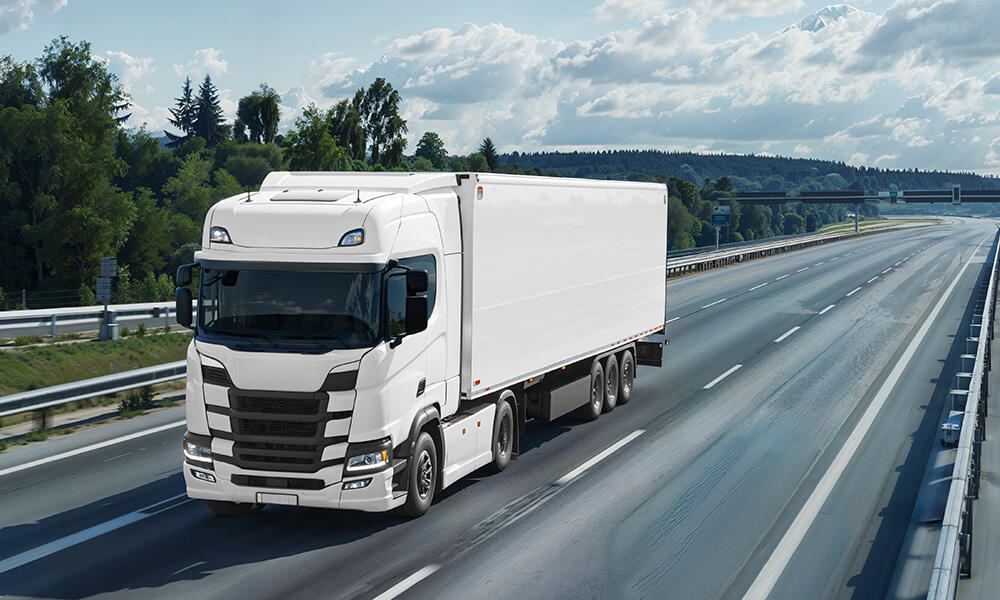
Understanding LTL and FTL in American Trucking Service
Core Definitions of LTL and FTL Shipping
LTL shipping works by combining goods from different companies onto the same truck, which saves money for businesses sending smaller loads that usually weigh somewhere between 150 pounds and 15 thousand pounds or take up space equivalent to 1 to 6 standard pallets. On the flip side, FTL means renting out an entire trailer, often those big 53 foot containers we see on highways, just for one company's shipment. This option becomes worthwhile when dealing with really heavy stuff over 10k pounds or when there's enough product to fill 14 pallets or more. Looking at actual numbers, LTL accounts for roughly 10 to 15 percent of all freight moving across America, while FTL remains king for long distance hauls carrying massive volumes because nobody wants their important cargo delayed or damaged during transit.
Shipment Size and Volume Guidelines (Pallets, Weight, Freight Class)
| Factor | LTL Threshold | FTL Threshold |
|---|---|---|
| Weight | 150–15,000 lbs | 20,000+ lbs |
| Pallets | 1–6 standard pallets | 14+ pallets |
| Freight Class* | Classes 50–500 | No class restrictions |
*Freight class, determined by density, value, handling needs, and liability, directly affects LTL pricing but has minimal impact on FTL. For example, a 2,000-lb shipment of electronics (Class 85) may cost 25% more via LTL than the same weight in lumber (Class 50), reflecting higher risk and space sensitivity.
How Cargo Volume Influences LTL vs FTL Eligibility
Once a load gets close to filling up about three quarters of a trailer space, which usually means around 14 pallets worth of goods, full truckload shipping starts looking like better value for money even though it costs more upfront. The reason behind this switch has to do with how less than truckload carriers charge extra fees when things get heavier. Their per hundred pound rate just keeps adding those little charges as the cargo grows bigger. Meanwhile, FTL companies stick to straightforward pricing based purely on how far something needs to go. A recent look at freight data from earlier this year shows interesting results too. Shipments containing more than seven standard sized pallets actually face roughly 18 percent fewer delivery problems when going with FTL services. That makes sense considering most FTL trucks take straight routes without stopping anywhere along the way, unlike LTL loads that bounce between multiple warehouses and distribution centers during transit.
Cost Comparison of LTL and FTL in American Trucking Service
Pricing Models: Per Hundredweight (CWT) in LTL vs Per Mile in FTL
LTL uses a per hundredweight (CWT) pricing structure where costs scale with weight, freight class, and space used. A 500-pound Class 85 shipment might cost $2.50–$6.50 per CWT. Conversely, FTL operates on a per-mile basis, averaging $2.50–$4.50 per mile in 2024 for a standard 53-foot trailer.
| Pricing Factor | LTL Shipping | FTL Shipping |
|---|---|---|
| Cost Basis | Weight + Space | Distance + Capacity |
| Best For | 1–5 pallets | 6+ pallets |
| Add-On Fees | Fuel surcharges, reweighs | Detention fees, tolls |
The flexibility of LTL suits smaller loads, while FTL provides cost predictability for large, consistent shipments.
Break-Even Point: When FTL Becomes More Cost-Effective Than LTL
FTL generally becomes the more economical choice at 6–12 pallets or 15,000+ pounds, where unit costs fall below those of LTL. For instance:
- An 8-pallet load via LTL: $1,200 (including three terminal transfers)
- The same load via FTL: $900 (direct route, no consolidation)
This break-even point varies by lane and seasonality but serves as a reliable benchmark in American Trucking Service planning.
Impact of Freight Class, Density, and Accessorial Fees on Total Cost
LTL pricing is highly sensitive to:
- Low-density items (e.g., insulation materials), which consume disproportionate space
- High freight classes (125–500), indicating greater handling complexity or risk
- Accessorial fees, such as liftgate service (+$75–$150) or deliveries to limited-access locations (+20% of base rate)
FTL avoids these variables through flat-rate agreements, offering budget stability for dense, high-volume freight—even if initial quotes appear higher.
Transit Time and Delivery Reliability Compared
Transit Time Differences Between LTL and FTL Shipments
Freight shipments using full truckload (FTL) services tend to get delivered around 30 to 40 percent quicker than those going via less-than-truckload (LTL) options. The average time it takes for FTL cargo to reach destination is usually between two and three days, whereas LTL packages often take anywhere from one day all the way up to five days before arriving. Why does this happen? Well, FTL trucks go straight from point A to point B without stopping much along the way. On the other hand, most LTL freight needs to stop at multiple locations - typically somewhere between three and five different terminals where they sort out what goes where and combine smaller loads together into bigger ones (as reported by MSC in their 2023 findings). Looking at recent data from across the shipping sector back in 2023, researchers discovered something interesting: nearly 92 out of every 100 FTL deliveries actually arrived within plus or minus six hours of when they were supposed to land. That's pretty impressive compared to just 78% accuracy rate seen with LTL shipments.
Pickup and Delivery Reliability in American Trucking Service
When it comes to shipping, on time delivery matters a lot. According to Deloitte's research from last year, around three quarters of shippers put reliability at or near the top when choosing which carrier to work with. Full truckload services tend to get things right on the first try most of the time, clocking in over 95% success rate because they don't mess around changing cargo halfway through a route. Less than truckload operations struggle a bit more here, hitting about 86% success as they deal with all sorts of coordination headaches between different shipments sharing the same trailer space. The good news though? Real time tracking systems have made things better for everyone involved. About seven out of ten LTL companies are offering GPS monitoring these days, which helps close the gap somewhat with FTL providers where nearly nine out of ten already give customers live update features during transit.
How Handling Frequency Affects On-Time Performance
Every time an LTL shipment gets transferred between hubs, there's usually around a day and a half to almost two days added to delivery times, and these delays stack up fast when packages go through several stops. Packages that pass through five or more warehouses end up with almost twice as many damage claims and over double the scheduling issues compared to shipments that only change hands once or twice, looking at supply chain performance numbers. Weather problems hit about a quarter of all multi stop LTL deliveries each month, whereas direct FTL transport faces weather related delays in roughly one out of ten cases, based on recent transportation reports from 2024.
Cargo Safety and Handling Risks in LTL vs FTL
Risk of Damage Due to Multiple Handling in LTL
The constant back and forth of loading and unloading really exposes shipments to damage when using LTL services. According to FreightWaves from last year, damage claims for LTL freight are actually 2.5 times higher compared to FTL shipments. Why? Well, most of this happens because packages get moved around so much at different terminals where they reshuffle entire pallets. Every time something gets touched increases the chances of forklift mishaps, stuff getting shifted around inside containers, sudden changes in temperature, and just plain old bad stacking practices. These problems become especially big headaches when dealing with delicate items or products that cost a lot of money.
Security and Control Advantages of Dedicated FTL Loads
FTL shipping means cargo stays under constant control without any stops along the way or needing to switch trucks. According to a study from the American Transportation Research Institute back in 2023, there were about 37 percent less damaged items when using FTL compared to other methods because the goods get handled much less during transport. Another big plus is that dedicated trailers offer better protection against theft or tampering. This matters a lot for certain products such as medicine shipments or electronic equipment where companies need to follow specific rules about who touches what and when.
Is LTL Inherently Riskier Than FTL? A Balanced Analysis
While LTL statistically poses higher handling risks, proactive strategies can mitigate them effectively:
- Reinforced packaging reduces LTL damage rates by 18% (2023 Logistics Safety Report)
- Carrier vetting and technology use, including IoT sensors for shock and temperature monitoring, improve accountability
FTL is clearly preferable for:
- Shipments exceeding $100,000 in value
- Perishable goods needing uninterrupted cold chains
- Deliveries with tight time constraints
For small, durable, non-urgent loads, modern LTL networks—with enhanced tracking and liability coverage—offer a secure and economical solution.
Strategic Decision-Making: When to Choose LTL or FTL
Situations Favoring LTL: Small, Non-Urgent, Cost-Sensitive Shipments
LTL is optimal for shipments of 1–6 pallets under 15,000 lbs. A 2023 logistics study showed LTL cuts costs by 42% versus FTL when cargo occupies 40% or less of trailer space. It’s best suited for:
- Routine retail inventory replenishment
- Non-perishable goods with 5–7 day delivery windows
- Small businesses with irregular shipping volumes benefiting from shared capacity
Situations Favoring FTL: Large Volumes, Time-Sensitive, High-Value Cargo
FTL becomes cost-efficient at 10+ pallets or when utilization exceeds 85% of trailer capacity. With an average 2024 rate of $1.92 per mile, FTL delivers value for:
- Hazardous materials requiring specialized equipment
- Urgent deliveries needing <72-hour turnaround
- High-value electronics or medical supplies with low tolerance for handling
Evaluating Partial Truckload Alternatives and Hybrid Solutions
Partial truckload (PTL) fills the niche for 7–15 pallet shipments, delivering 12–24% savings over FTL while bypassing LTL’s terminal network. Emerging hybrid models, such as dynamic route optimization, allow 37% of shippers to blend LTL and FTL based on real-time capacity and demand, according to a 2024 American Transportation Research Institute report.
Total Cost of Ownership: Balancing Speed, Safety, and Price in American Trucking Service
Though LTL averages $78.40 per CWT and FTL ranges from $2.25–$3.10 per mile, hidden expenses like $740K annual damage claim losses for high-handling freight (Ponemon 2023) underscore the need for holistic evaluation. Use this decision matrix:
| Factor | LTL Advantage Threshold | FTL Advantage Threshold |
|---|---|---|
| Cargo Value | <$50 k | $200 k |
| Handling Sensitivity | Low (packaged goods) | High (aerospace components) |
| Transit Time Window | 5 days | <3 days |
Businesses that align shipping modes with these thresholds achieve 19% higher supply chain efficiency, per a 2024 logistics benchmarking survey.
Frequently Asked Questions
What is the main difference between LTL and FTL shipping?
The primary difference lies in how shipments are handled; LTL combines multiple shipments from various companies on a single truck, whereas FTL involves renting an entire trailer for one company's goods, offering more direct and secure transport.
How do I determine whether to choose LTL or FTL shipping?
Consider the size, weight, and volume of your shipment. LTL is best for smaller loads (1-6 pallets, 150-15,000 lbs), while FTL is more cost-effective for larger, heavier loads (14+ pallets, 20,000+ lbs).
Are there specific circumstances where LTL is preferable?
LTL is optimal for non-urgent shipments, smaller loads, or when cost is a significant consideration, such as routine inventory replenishment.
Why might FTL be a better option for certain shipments?
FTL is advantageous for time-sensitive, high-value shipments requiring minimal handling or for goods that fill a majority of trailer capacity, ensuring faster and more reliable delivery.