
 EN
EN
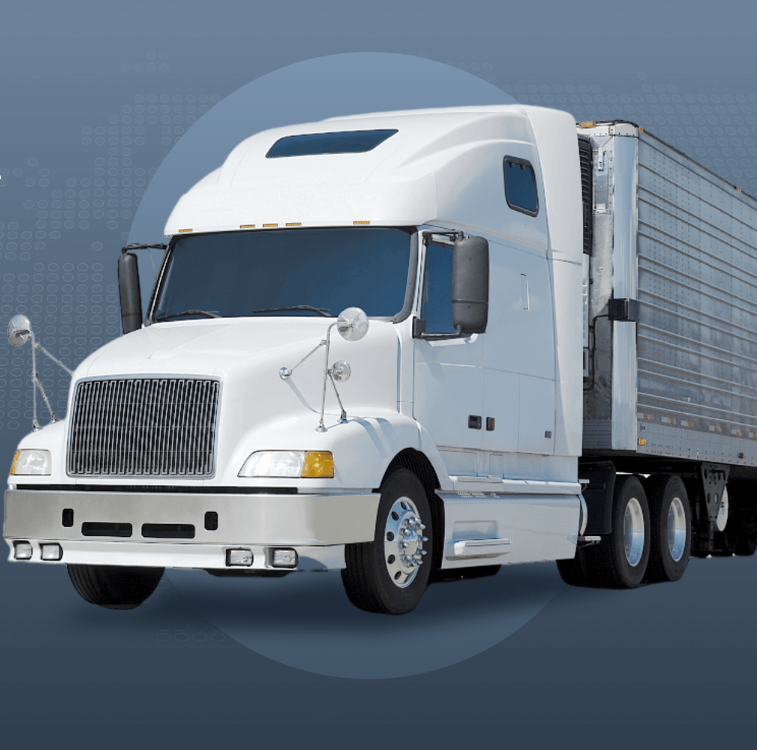
The Critical Role of American Trucking Service in Urban Last-Mile Delivery
Why American Trucking Service Is Essential for Speed and Reliability in Final-Mile Delivery
The last mile of urban deliveries really hinges on companies like American Trucking Service to keep up with all these consumers wanting stuff delivered today or tomorrow. According to some research from Ponemon back in 2023, almost half (that's around 53%) of what we pay for shipping goes toward getting packages from distribution centers right into people's hands. That's why so many trucking companies are out there daily, dodging traffic and making sure packages arrive when promised. Most often, it's those smaller box trucks and those compact sprinter vans that handle city streets best since they can fit through tight spots and find parking easier than bigger rigs. Companies have also started using real time GPS systems along with smart routing software which makes deliveries more reliable. Some stats show these tech upgrades cut down on failed deliveries by roughly 17% across big cities where traffic is always a headache.
Case Study: How Leading Logistics Companies Leverage Local Truck Fleets in Major U.S. Metro Areas
Top logistics companies are making their final delivery step faster by setting up smaller truck fleets right inside busy city areas. The latest Urban Delivery Report from 2023 shows that places like Chicago and LA saw their delivery times drop about 2 hours per route when they started using these local truck networks. Most of these trucks stay within roughly 50 miles from where packages get sorted out, which means fewer wasted trips driving around empty and allows drivers to handle between 12 to maybe even 15 deliveries each day. We're seeing more hybrid electric trucks hitting our streets too, especially for those tough inner city runs. Companies report saving around 22% on gas money this way, plus they avoid getting fined for pollution rules that keep getting stricter every year.
The Rise of Micro-Fulfillment Centers and Their Dependence on American Trucking Service
The micro fulfillment centers we see popping up within 10 miles of city centers depend heavily on American Trucking Service to keep their shelves stocked and customers happy. According to recent findings from the Retail Logistics Study in 2024, these local truck operations managed an impressive 94% on time delivery rate for online orders, way ahead of the old warehouse system's 78%. The trucks that serve these MFCs tend to make smaller runs throughout the day, usually around three to five times per day, which works really well with their just in time inventory strategy. What this means is stores don't end up with too much stuff sitting around, cutting down on excess stock by about a third. Plus, fresh products and those hot selling items get delivered to where they need to be in under four hours most of the time.
Key Challenges in U.S. Urban Last-Mile Delivery and Trucking Operations
Traffic Congestion, Parking Restrictions, and Regulatory Hurdles in City Logistics
The last mile of urban deliveries runs into all sorts of problems, especially traffic jams which cost American delivery companies around $740 million every year just in extra fuel and driver time according to Deloitte's 2023 report. Getting through city streets takes about 16 percent longer than heading out to the suburbs, and finding places to park or load packages often leads drivers to sit there idling illegally. About two thirds of delivery services operating in big cities face this exact issue in places like New York City and LA. Looking at recent industry research from 2024 shows another major problem area too: old fashioned freight regulations account for roughly one fifth of all delivery delays. Cities still have these strange rules on the books like banning trucks during certain hours in Chicago's downtown area or forcing expensive modifications for vehicles wanting to enter so called zero emission zones.
Balancing Delivery Efficiency with Urban Sustainability Goals
City governments across the country are setting ambitious green targets that put American truckers in a tough spot. Most shoppers want their packages delivered fast these days, but many local authorities are banning traditional diesel trucks from city centers while promoting electric alternatives. The problem? Electric trucks simply don't have the range needed for complex urban routes with multiple stops. Big shipping companies are trying something new though – mixing smart AI software for route planning with small satellite warehouses called micro depots. This approach cuts down on carbon emissions by around 19%, according to research from MIT's Urban Logistics Lab back in 2023. Take Miami as an example where some forward thinking logistics firms started making deliveries late at night when traffic was lighter. They saw fuel consumption drop by nearly a third, proving that clever tech solutions can actually meet both environmental regulations and customer expectations for quick service.
Route Optimization and Technology Integration for Delivery Truck Efficiency
How Algorithmic Planning and Real-Time Traffic Data Improve Delivery Route Efficiency
Trucking companies across America are increasingly turning to smart route planning powered by artificial intelligence to tackle the headaches of city deliveries. These systems look at past traffic data, road closures, and when packages need to be dropped off, then constantly tweak the best path forward. A major logistics firm reported their AI system cut unnecessary turns by around 12 percent last year alone, which translates to saving roughly 10 million gallons of diesel every year according to Element Logic's findings from 2023. The ability to react instantly to changing traffic conditions makes all the difference for urgent deliveries like fresh produce that needs refrigeration or critical medical equipment that hospitals rely on getting on schedule.
A Major E-Commerce Company’s Use of Machine Learning in Route Optimization
Delivery trucks are now able to change their routes on the fly thanks to machine learning technology. When bad weather hits or there's a sudden rush of same day orders, these smart systems can adjust accordingly. One big online retailer saw around a 20% improvement in successful deliveries once they started using ML to figure out which stops should come first based on when customers will be home and where demand is highest. The algorithms even look ahead at parking problems in city centers, sending drivers down different streets before they get stuck in traffic or risk getting ticketed for illegal parking.
IoT, Telematics, and Cloud Dashboards: Enhancing Real-Time Tracking in Delivery Operations
Truck performance data gets much better when companies install IoT sensors along with telematics systems. These tools track everything from how much fuel trucks burn to what's happening inside the engine compartments. Fleet managers who've adopted cloud platforms report something interesting too. About three out of four say they can fix delivery problems almost half as fast when they simply redirect trucks during operations instead of waiting until later. Then there's geofencing technology which sends warnings when trucks enter areas where emissions are restricted. This helps transportation companies stay within city regulations regarding pollution levels without losing grip on their day-to-day operations. Some businesses even find this feature saves them money on fines and keeps their reputation intact among environmentally conscious clients.
Managing Costs in Last-Mile Delivery Through Strategic Trucking Solutions
Why Last Mile Accounts for Up to 30% of Supply Chain Costs
The last leg of delivery usually eats up between 28 to 32 percent of all transportation spending these days. Urban gridlock, scattered delivery paths, and higher wages for drivers are mainly responsible for this situation. According to research published by DispatchTrack in 2023, most money goes toward paying workers first (around 42%), followed closely by fuel costs at about 27%. Then there's the extra expense from returns and messed up deliveries which tack on roughly 18% more work for companies. Things get even worse outside city centers where big rigs frequently operate at just 68% capacity compared to nearly 89% efficiency on those long highway trips across states.
| Cost-Saving Strategy | Implementation Tactics | Typical Savings |
|---|---|---|
| Consolidation hubs | Merge shipments from multiple warehouses | Reduce urban miles by 15-20% (nuvizz 2023) |
| Off-peak deliveries | Schedule routes between 9 PM-5 AM | Cut fuel costs by 12% and idle time by 33% |
When paired with dynamic routing, micro-fulfillment centers help providers like Amazon reduce last-mile expenses by 19%, demonstrating how proximity and data-driven planning can offset rising fuel and labor costs.
Driver Retention and Training in Modern American Trucking Service Ecosystems
Addressing the Driver Shortage: Linking Job Satisfaction to Operational Reliability
The American trucking industry faces a shortage of 78,000 drivers (Global Trade Mag 2023), exacerbated by retirements and recruitment gaps. This deficit directly impacts last-mile reliability, as understaffed fleets struggle to meet urban delivery timelines. Forward-thinking companies improve retention through three key strategies:
- Competitive compensation: Last-mile driver wages have risen 12% since 2021 to reflect metro living costs
- Work-life balance: 67% of drivers rank predictable schedules as their top job satisfaction factor
- Safety investments: Ergonomic cab designs reduce fatigue-related incidents by 19% annually
Fleets with less than 10% annual turnover achieve 23% faster urban delivery times than those with high churn, highlighting the link between workforce stability and service performance.
Best Practices in Training and Retention for Last-Mile Delivery Drivers
Top American Trucking Service providers now use hybrid training programs that combine classroom instruction with augmented reality simulations, cutting new driver onboarding time by 40% while improving navigation accuracy in complex urban settings.
Proven retention strategies include:
- Route autonomy: Allowing experienced drivers to optimize their own delivery sequences
- Performance analytics: Providing real-time feedback via telematics dashboards
- Career pathways: Offering advancement into dispatcher or trainer roles–drivers who see growth opportunities stay 80% longer
The shift toward driver-centric management has reduced urban delivery failures by 31% since 2022. Carriers that integrate mental health support and fuel efficiency bonuses report 27% higher driver satisfaction scores than industry averages.
FAQ on American Trucking Service and Urban Last-Mile Delivery
What is last-mile delivery?
Last-mile delivery refers to the final leg of transporting goods from a distribution hub directly to the end customer’s location, which is typically a residential or business address.
Why is last-mile delivery so crucial?
It is crucial because it directly impacts customer satisfaction, determines delivery times, and is often the most expensive and complex part of the logistics chain due to urban challenges such as traffic congestion and parking restrictions.
How do American Trucking Services impact last-mile delivery?
American Trucking Services play a vital role by offering reliable transportation solutions using smaller trucks and vans optimized for urban environments, integrating advanced technologies for route optimization, and adapting to urban sustainability goals.
What are the challenges faced in last-mile delivery?
Major challenges include traffic congestion, parking restrictions, regulatory hurdles, balancing delivery speed with sustainability, and managing high costs associated with labor and fuel.
Table of Contents
- The Critical Role of American Trucking Service in Urban Last-Mile Delivery
- Key Challenges in U.S. Urban Last-Mile Delivery and Trucking Operations
- Route Optimization and Technology Integration for Delivery Truck Efficiency
- Managing Costs in Last-Mile Delivery Through Strategic Trucking Solutions
- Driver Retention and Training in Modern American Trucking Service Ecosystems
- FAQ on American Trucking Service and Urban Last-Mile Delivery