
 EN
EN
Strategic Multi-Warehouse Distribution Network Design
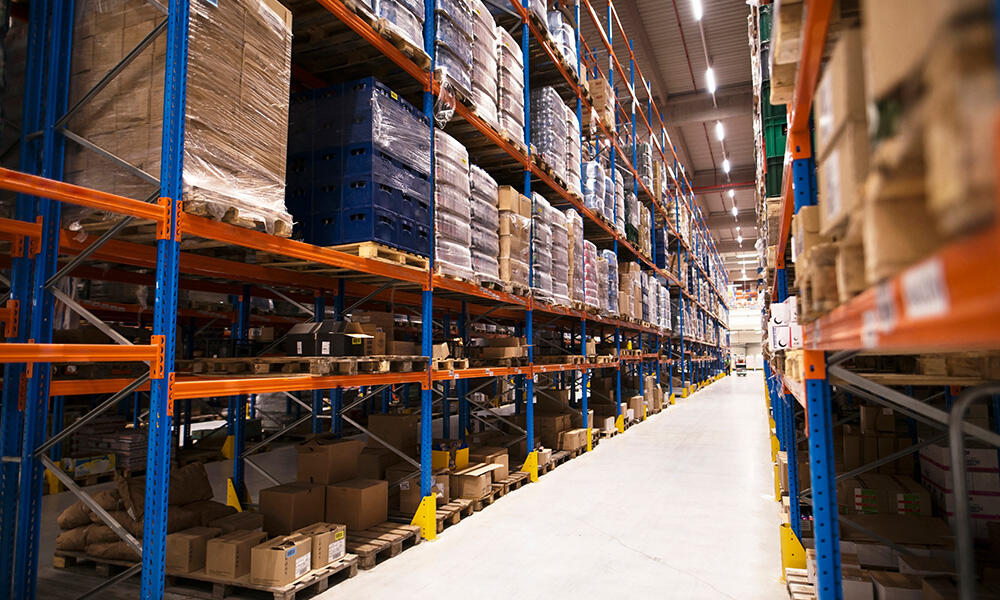
Geographic Optimization: Aligning Warehouse Locations with Customer Demand Clusters and Carrier Transit Zones
Good network design really starts when companies make their placement choices based on actual data instead of just guessing where things should go. Looking at past order trends plus predicting where customers will cluster makes sense. Take those big city areas that handle around two thirds of all online shopping in America as an example. Smart businesses place their warehouses so they're within a day's drive from most orders. When warehouses are situated close to major shipping centers, there's less back and forth between carriers. The numbers back this up too. Warehouses located near regional sorting facilities can slash final delivery expenses by about a fifth according to the National Retail Federation report from last year. But none of this works unless companies keep adjusting several key factors constantly.
- Real-time sales velocity heatmaps identifying high-density areas
- Carrier service boundaries ensuring next-day delivery eligibility
- Tax-advantaged locations balancing operational expenses
Automated territory modeling tools now enable dynamic adjustments when demand shifts, preventing costly realignments.
The Diminishing Returns of Over-Expansion: When Adding Warehouses Increases Average Transit Time
The tipping point occurs when facility spacing exceeds carrier zoning logic—for example, warehouses within overlapping 2-day service radii create redundant coverage. Advanced simulation models now pinpoint expansion limits by projecting transit time curves against facility density, preventing costly network inflation.
Intelligent Inventory Allocation Across Multi-Warehouse Distribution Nodes
Demand-Driven Stock Distribution Using Real-Time Sales Velocity and Forecasting Models
Getting inventory right takes more than guesswork these days. Companies look at what's selling now and what customers might want next to place their products where they need them most. This means putting stock closer to where people actually buy things rather than shipping everything from one central location. Smart businesses use computer models that get better over time, which helps keep shelves stocked properly. Some reports show this approach cuts empty shelves down by around 15 to 30 percent each year according to Supply Chain Quarterly in 2023. With good inventory software, companies can move goods around quickly when demand changes unexpectedly, making sure fast moving items stay available exactly where customers expect to find them.
Dynamic Load Balancing During Peak Seasons to Prevent Bottlenecks and Delays
The rush of seasonal demand really puts our network of distribution centers through their paces. When main warehouses start getting crowded, smart software kicks in to send shipments elsewhere where there's still room to spare. The main tricks we've found work best? Getting products ready ahead of time at backup sites, setting up automatic routing based on live warehouse management system numbers, and keeping extra stock on hand for those items that always fly off the shelves. All this works because we've got one central technology platform that keeps track of what's available everywhere at once. This setup helps us cut down waiting times during busy periods by around 40%, which means customers still get their stuff on schedule despite all the chaos.
Micro-Fulfillment Integration for Last-Mile Speed in High-Density U.S. Markets
Satellite Facilities and Urban Sortation Hubs in NYC, LA, and Chicago
Micro fulfillment centers located right inside big cities such as New York City, Los Angeles, and Chicago are changing how multiple warehouses work together. These small city locations put products much closer to where people live, typically within around ten to fifteen miles away. Because of this proximity, stores can promise same day shipping to almost 60% of city dwellers and save between fifteen and twenty percent on each order's shipping expenses. With lots of automated systems running alongside up to date sales tracking tools, these operations sidestep many problems that plague conventional warehouse setups. Retailers find themselves able to respond faster to customer needs without all the delays associated with traditional storage solutions.
- Hyper-local responsiveness: Inventory positioned near demand clusters meets 2-hour delivery expectations
- Carrier cost optimization: Shorter zones minimize expensive final-leg carrier surcharges
- Sustainable scalability: Modular facilities adapt to neighborhood-specific volume spikes without overbuilding
Urban sortation hubs further consolidate neighborhood deliveries, grouping orders by micro-zones before dispatch. This tiered approach balances inventory centralization with proximity advantages—essential for cost-effective service in congested regions.
Scaling Multi-Warehouse Distribution for Peak Demand and Next-Day Delivery Expectations
Keeping up with seasonal demand while still meeting those next day delivery commitments needs a flexible distribution setup. Most companies don't just throw money at new warehouses though. The smart ones focus on managing inventory dynamically and building in some automation for when things get busy. When sales really take off, smart systems move products around between different warehouses based on what's selling where right now. This stops one location from getting backed up and saves money compared to expanding facilities forever. Automation makes all the difference here too. Robots and AI that predict what will sell help boost processing speeds by maybe 35-40% during busy times without having to spend millions on new buildings according to some industry research last year. Cloud software lets companies shift resources wherever they need them fastest, so businesses can rent small fulfillment centers just for holidays or big sales events instead of locking themselves into expensive long term leases. And this flexibility actually works wonders for controlling expenses while still hitting those 99% next day delivery targets even when orders spike unexpectedly. What was once a headache becomes something that sets companies apart from competitors who aren't as prepared.
FAQ
What is a strategic multi-warehouse distribution network design?
A strategic multi-warehouse distribution network design involves planning and optimizing warehouse locations based on customer demand, past order trends, and efficient carrier transit zones to ensure fast delivery and reduced shipping costs.
How can businesses benefit from geographic optimization in warehouse locations?
By aligning warehouse locations with customer demand clusters and carrier transit zones, businesses can reduce delivery times and costs, enhance customer satisfaction, and provide next-day delivery services effectively.
Why might expanding a warehouse network lead to inefficiencies?
Over-expansion can lead to inventory duplication, increased transit times due to cross-country transfers, and increased emissions and costs. It can result in systemic inefficiencies that outweigh the benefits of increased coverage.
What role does micro-fulfillment play in last-mile delivery?
Micro-fulfillment centers, located within cities, allow for faster last-mile delivery by positioning inventory closer to customers. This system improves delivery speed and reduces costs for retailers.
How do companies handle peak demand effectively?
Companies manage peak demand by using dynamic inventory management and automation to quickly and efficiently distribute products across multiple warehouse locations, preventing bottlenecks and ensuring timely deliveries.
Table of Contents
- Strategic Multi-Warehouse Distribution Network Design
- Intelligent Inventory Allocation Across Multi-Warehouse Distribution Nodes
- Micro-Fulfillment Integration for Last-Mile Speed in High-Density U.S. Markets
- Scaling Multi-Warehouse Distribution for Peak Demand and Next-Day Delivery Expectations
-
FAQ
- What is a strategic multi-warehouse distribution network design?
- How can businesses benefit from geographic optimization in warehouse locations?
- Why might expanding a warehouse network lead to inefficiencies?
- What role does micro-fulfillment play in last-mile delivery?
- How do companies handle peak demand effectively?