
 EN
EN
Why Order Batching Is Essential for Modern Warehouse Fulfillment
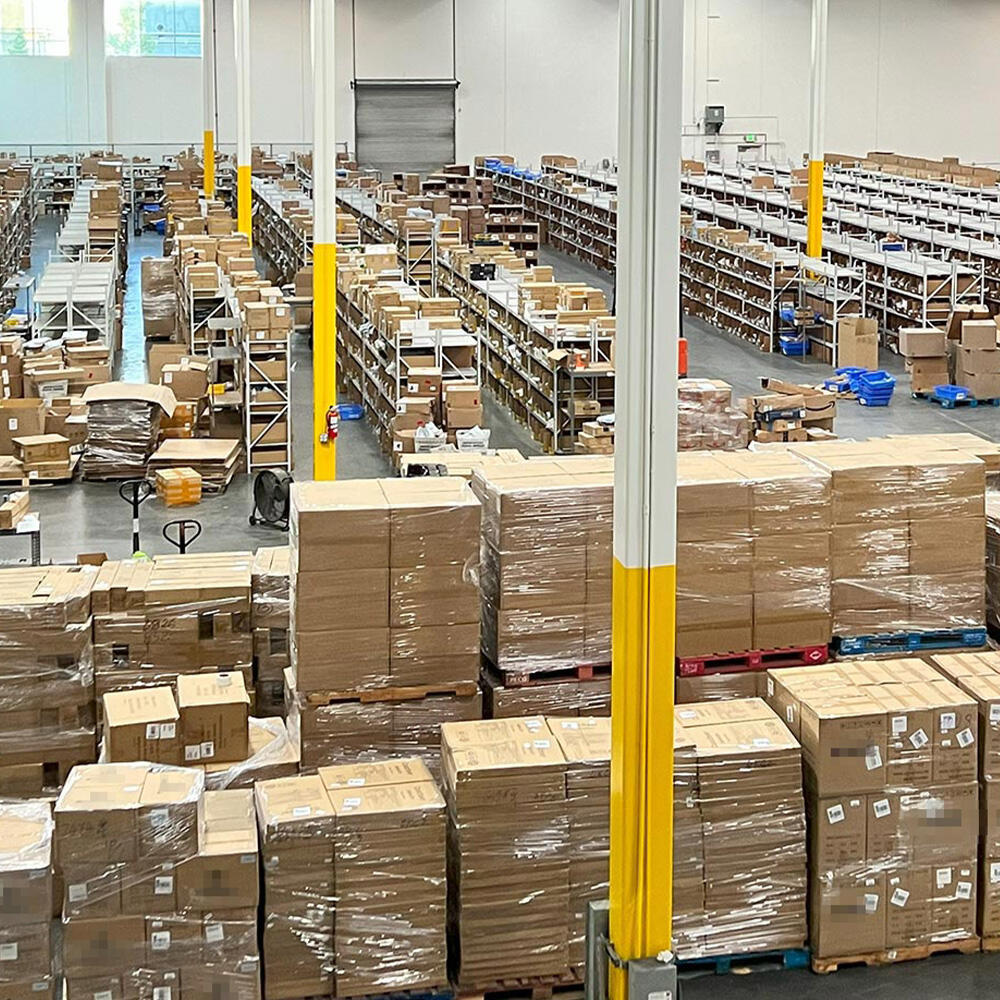
The Cost of Unbatched Picking: Travel Inefficiency and Resource Fragmentation
Processing orders individually forces pickers to traverse warehouse aisles repeatedly for single items. This fragmented approach wastes 60–70% of a picker’s shift on non-productive travel—costing mid-sized operations an estimated $740k annually in labor inefficiencies (Ponemon Institute, 2023). Without consolidation:
- Workers revisit identical zones for separate orders
- Conveyor systems handle constant small-item handoffs
- Labor capacity fragments across redundant routes
Core Principle: How Order Batching Reduces Picker Travel Time and Boosts Throughput
Order batching groups complementary orders into consolidated picking routes, enabling workers to retrieve multiple SKUs per trip. By optimizing path density, warehouses achieve:
- 22–37% reduction in average travel distance (MHI, 2024)
- 30% higher picks per hour through simultaneous order fulfillment
- Fewer congested handoff points at packing stations
This systemic efficiency transforms labor allocation: up to 25% of previously wasted time can be redirected toward value-adding tasks like quality assurance or exception resolution.
Proven Fulfillment Efficiency Gains from Strategic Order Batching
Quantified Impact: 22–37% Reduction in Average Picking Time (MHI 2024)
Order batching is a smart way to tackle those pesky warehouse inefficiencies. When orders for similar products are grouped together, it makes sense because workers don't have to run all over the place picking items from different spots. The result? Pickers can grab multiple orders at once without wasting time backtracking through the aisles. Less walking means more picking gets done in the same amount of time. And here's the best part nobody talks about much: inventory stays accurate since there's less chance of mistakes when everything's organized. Plus, companies don't need to spend extra money on new equipment or hire more staff to see improvements.
SLA Alignment: Using WMS-Driven Batch Triggers to Meet Delivery Windows
Warehouse Management Systems (WMS) handle batch creation automatically these days. They look at when things need to be delivered and where items are located within the warehouse, then group orders together as those cutoff times get closer. The system has real time alerts that kick in so urgent shipments don't miss their SLA windows. When everything works smoothly, this kind of coordination keeps things flowing even when demand spikes unexpectedly. And it actually cuts down on those costly last minute rush fees too. Industry numbers show somewhere between 12% to 18% savings on expedited shipping expenses when warehouses implement proper WMS solutions.
Choosing the Right Order Batching Method for Your Operation
Time Window, Seed, and Cluster Batching: Throughput, Accuracy, and Scalability Trade-offs
Selecting an optimal order batching strategy directly impacts fulfillment KPIs—throughput, accuracy, and scalability—as validated by MHI’s 2024 findings of 22–37% efficiency gains. Warehouses commonly deploy three core methodologies:
- Time Window Batching groups orders received within fixed intervals (e.g., hourly), aligning with SLA deadlines via WMS triggers. It minimizes idle time but risks uneven workload peaks.
- Seed Order Batching anchors batches around high-SKU-density “seed” orders to reduce travel. While it maximizes picker throughput for homogeneous items, sorting complexity increases consolidation errors by 14% (Logistics Quarterly, 2023).
- Cluster Batching assigns autonomous mobile robots (AMRs) or pickers to multi-order “clusters” in zones, dynamically optimizing routes. It scales efficiently for warehouses exceeding 10,000 daily orders—but demands advanced automation investments.
A medium-volume operation prioritizing accuracy might leverage time window batching, whereas high-volume facilities favor cluster methods despite higher robotics costs. Matching method to SKU volatility and infrastructure constraints prevents diminishing returns—underscoring why order batching must align with operational DNA.
Optimizing the End-to-End Picking Workflow with Order Batching
Batch Size Effects: Balancing Picker Fatigue, Error Rates, and Conveyor Handoff Efficiency
Getting order batching right starts with finding just the right batch size. When batches get too big, workers spend way more time walking around, which leads to tired legs and makes mistakes more likely. Some studies show fatigue goes up between 18 to 25 percent when batches are oversized. On the flip side, making batches too tiny means the conveyor belts sit idle most of the time, creating those annoying handoff delays that slow everything down. The sweet spot comes from striking a balance where workers aren't exhausted but still maintain close to perfect accuracy. We've seen good results when batches fit neatly into one standard cart or tote box. That cuts down on backtracking through aisles and keeps the conveyor system running smoothly without getting backed up. Smart warehouse managers tweak their batch settings all the time depending on what's actually happening on the floor. Things like complicated orders or sudden changes in staff numbers require constant readjustment. Keeping this flexibility in place helps ensure better performance throughout the whole picking and packing operation.
FAQ
1. What is order batching in warehouse fulfillment?
Order batching involves grouping orders into consolidated picking routes, allowing workers to retrieve multiple SKUs in a single trip, which reduces travel time and increases throughput.
2. How does order batching improve efficiency?
Batching reduces unnecessary travel, resulting in a 22–37% reduction in average travel distance and up to 30% more picks per hour, per data from MHI, 2024.
3. What are the common methods of order batching?
The main methods are Time Window Batching, Seed Order Batching, and Cluster Batching, each with unique benefits and trade-offs.
4. Can order batching integrate with Warehouse Management Systems (WMS)?
Yes, WMS can automate batch creation based on delivery schedules and warehouse location data, helping meet SLA deadlines efficiently.
Table of Contents
-
Why Order Batching Is Essential for Modern Warehouse Fulfillment
- The Cost of Unbatched Picking: Travel Inefficiency and Resource Fragmentation
- Core Principle: How Order Batching Reduces Picker Travel Time and Boosts Throughput
- Proven Fulfillment Efficiency Gains from Strategic Order Batching
- Choosing the Right Order Batching Method for Your Operation
- Optimizing the End-to-End Picking Workflow with Order Batching
- FAQ