
 EN
EN
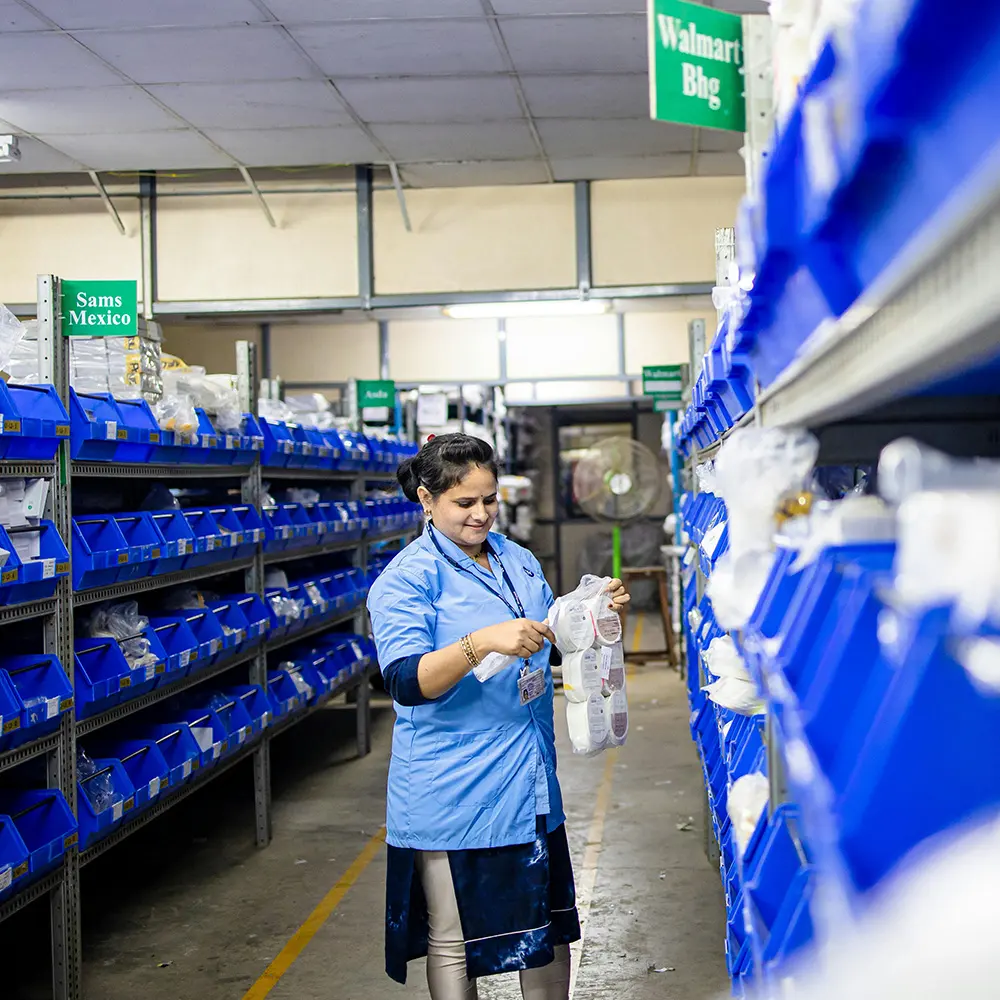
WARUM Lokales US-Lagerwesen Ist unverzichtbar, um moderne Liefererwartungen zu erfüllen
Geschwindigkeit ist alles in der heutigen Welt des Online-Shoppings. Die meisten amerikanischen Käufer erwarten ihre Bestellung mittlerweile innerhalb von zwei Tagen – und falls sie einmal einen schlechten Service erleben? Studien zeigen, dass rund 84 % von ihnen dann einfach nicht mehr zurückkehren. Daher ist es nicht nur vorteilhaft, sondern geradezu zwingend erforderlich, Lagerhallen in unmittelbarer Nähe der Kunden zu betreiben, um im Wettbewerb mit anderen Anbietern mithalten zu können. Wenn Unternehmen lokale Lagerstätten quer durch die USA aufbauen, verkürzen sie die Lieferzeiten für Pakete, da die Transportstrecken kürzer werden. Konkrete Zahlen verdeutlichen, warum dies so entscheidend ist: Eine Verkürzung der Strecke um 500 Kilometer bedeutet in der Regel eine Einsparung von einem ganzen Tag bei der regulären Versanddauer. Das erscheint logisch, wenn man darüber nachdenkt.
Verkürzung der Transportzeit durch geografische Nähe zu den Kunden
Zentralisierte US-Versandstandorte können 96 % der Haushalte innerhalb von zwei Werktagen erreichen. Durch Mehrstandort-Strategien verkürzen sich die Lieferzeiträume im Vergleich zu Einzel-Lager-Modellen um 40–60 %, da die Logistik der letzten Meile optimiert wird. Zu den wichtigsten Vorteilen zählen:
- Geringere Kraftstoffkosten und Emissionen durch kürzere Transportstrecken
- Weniger Paketübergaben, wodurch das Beschädigungsrisiko sinkt
- Vorhersehbare Lieferungen, die das Kundenvertrauen stärken
| Fulfillment-Strategie | Durchschnittliche Transportzeit | Kundenreichweite (2-Tage-Lieferung) |
|---|---|---|
| Einzelnes Lager | 4–5 Tage | 60–70% |
| Mehrere lokale Lager | 1–2 Tage | 96% |
Ermöglicht Same-Day- und Next-Day-Lieferung im großen Maßstab
In belebten Stadtgebieten nutzen Mikro-Fulfillment-Center ihren Standortvorteil, um Kunden einen extrem schnellen Service zu bieten. Durch automatisiertes Bestandsmanagement und Partnerschaften mit lokalen Zustellunternehmen bearbeiten diese Center Aufträge etwa 70 Prozent schneller als herkömmliche Einrichtungen. Das bedeutet, dass Geschäfte Bestellungen bis 18 Uhr entgegennehmen und sie dennoch noch am selben Tag versenden können. Besonders interessant ist, wie sich dadurch das gesamte Geschäftsmodell kleiner Lager vollständig verändert: Statt lediglich teure Lagerflächen zu sein, werden sie zu profitablen Betriebsstätten. Betrachten wir Unternehmen, die Lieferung am nächsten Werktag versprechen – diese verzeichnen in der Regel rund 30 % mehr Wiederholungskäufe. Das erscheint logisch, wenn man bedenkt, wie wichtig Geschwindigkeit mittlerweile bei Online-Einkaufsgewohnheiten geworden ist.
Strategische Standortauswahl: Abstimmung der US-amerikanischen lokalen Lagerhaltung mit Bevölkerungs- und Nachfragedichte
Datengestützte Standortplanung: Nutzung von nach Postleitzahlenregionen differenzierten Nachfrageprognosen und Zugang zu Infrastruktur
Intelligente Standortplanung basierend auf Daten hilft Unternehmen dabei, ihre Lager genau dort zu positionieren, wo sie innerhalb der Vereinigten Staaten am stärksten benötigt werden – passend zu den Wohngebieten der Bevölkerung und zu den Regionen, in denen die Nachfrage tendenziell stark ansteigt. Wenn Unternehmen Nachfragemuster auf Postleitzahlenebene analysieren, können sie dichte Ballungsräume identifizieren, die sich als Standorte für Lager besonders eignen. Dadurch bleiben die Lager in unmittelbarer Nähe der Kunden und die Lieferzeiten verkürzen sich erheblich. Auch eine detaillierte Betrachtung der Verkaufsmuster ist entscheidend – insbesondere während der besonders geschäftigen Saisons, wenn Städte regelrecht „heißlaufen“. So können Unternehmen ihre Lager optimal bestücken, ohne überzulagern. Gleichzeitig ermöglicht die Prüfung der lokalen Infrastruktur – etwa großer Straßen, Seehäfen und Flugplätze –, Staus zu vermeiden und logistische Abläufe reibungsloser zu gestalten. Laut dem Supply Chain Digest aus dem Jahr 2023 verzeichnen Unternehmen, die diese Strategie umsetzen, Kostensenkungen von rund 18 % bei den Kosten für die letzte Meile sowie eine Verkürzung der Transportzeiten um etwa 25 %. Die richtige Umsetzung dieser Methode führt insgesamt zu niedrigeren Kosten, während zugleich die Kundenzufriedenheit steigt – denn Bestellungen treffen schneller und zuverlässiger ein. Aus diesem Grund hat sich dieser Ansatz als zentraler Erfolgsfaktor für das Wachstum von Online-Unternehmen erwiesen.
Optimierung der Letzten-Meile-Abwicklung durch die US-amerikanische lokale Lagerinfrastruktur
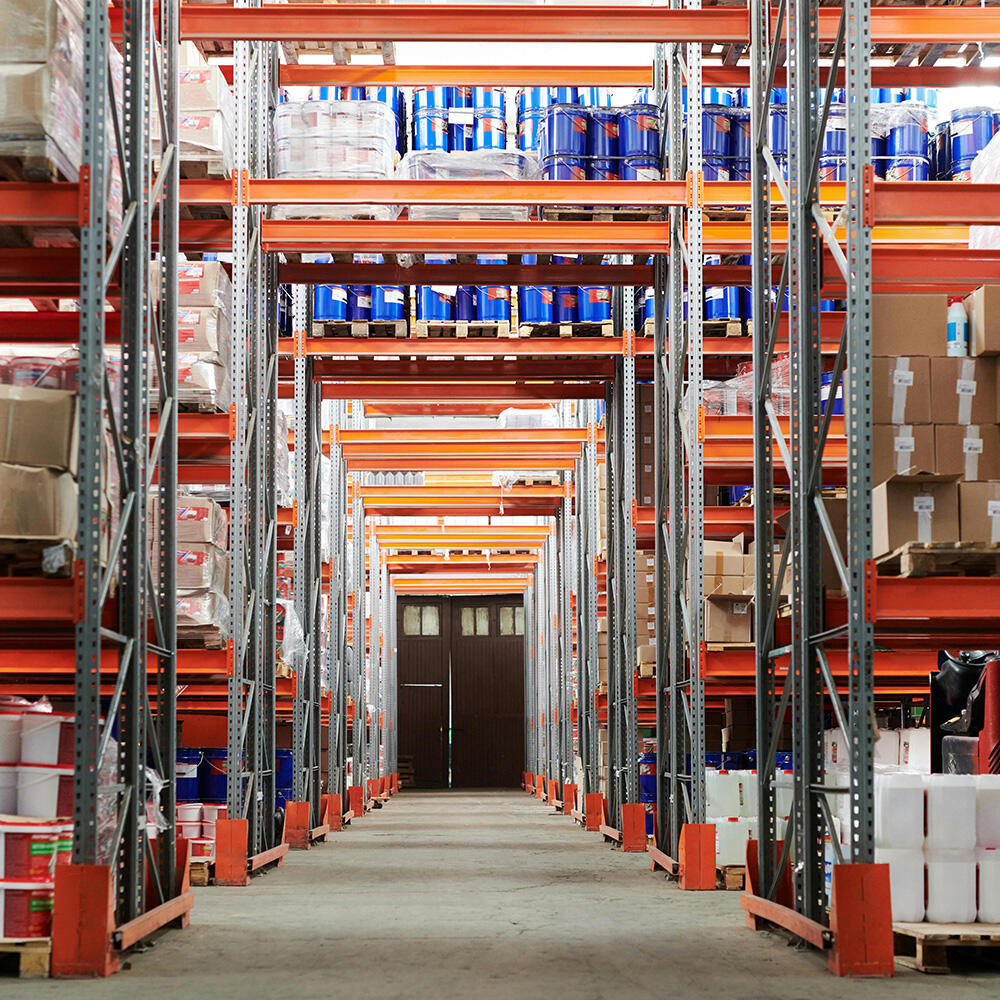
Wie eine lokalisierte Lagerbestandsplatzierung Übergaben und Lieferunsicherheiten reduziert
Die Lagerung von Produkten in lokalen Lagern im gesamten US-Bundesgebiet reduziert logistische Herausforderungen beim Versand, da die Artikel näher an den Orten gelagert werden, an denen sie tatsächlich gekauft werden. Wenn Waren näher bei den Kunden verbleiben, entsteht weniger Bedarf an mehreren Spediteuren für den Versand. Gemeint ist hier eine Reduzierung der Übergaben von etwa drei- oder viermal auf nur ein- oder zweimal. Das bedeutet deutlich weniger Probleme während der Lieferung. Die kürzeren Transportstrecken führen zudem dazu, dass Pakete seltener im Stau stecken bleiben und weniger von schlechten Wetterbedingungen betroffen sind; dadurch werden die Liefertermine deutlich zuverlässiger. Unternehmen, die ihre Bestände über mehrere kleinere regionale Zentren verteilen, anstatt sich auf ein großes zentrales Lager zu verlassen, können Waren schneller liefern und gleichzeitig erheblich weniger Versandkosten aufwenden. Einige Studien zeigen, dass die Transportkosten bei Umstellung auf diese Art der Lagerstruktur um fast ein Drittel sinken.
Integration mit regionalen Spediteuren und Mikro-Fulfillment-Technologien
Lokal gelegene Lagerhallen schaffen hervorragende Arbeitsbeziehungen zu regionalen Spediteuren, die ihr Gebiet bis ins letzte Detail kennen. Diese lokale Expertise steigert laut jüngsten Studien den Anteil erfolgreicher Erstzustellungen um rund 27 Prozent. Diese Lagerstandorte eignen sich zudem hervorragend als Basis für verschiedenste Mikro-Fulfillment-Technologien – darunter automatisierte Sortiersysteme und kleine robotergestützte Kommissioniersysteme, die die meisten Aufträge in knapp unter zwei Stunden abwickeln können. Wenn alle Komponenten reibungslos zusammenarbeiten, lässt sich der Verkehrsstau vollständig vermeiden und das Lagerbestandsmanagement flexibel und in Echtzeit anpassen – eine unabdingbare Voraussetzung, um die heutzutage so häufig versprochenen Lieferungen am gleichen Tag auch tatsächlich einzuhalten. Der Aufbau dieser gesamten Infrastruktur senkt die Kosten für die letzte Meile um 30 bis 40 Prozent und hält gleichzeitig die Erfolgsquote bei der Zustellung auch in dicht besiedelten Stadtgebieten – wo die logistischen Herausforderungen besonders schnell zunehmen – auf einem Niveau von über 99 Prozent.
FAQ
Wie verbessern mehrere lokale Lager die Liefer-Effizienz?
Sie verkürzen die Transportzeit und optimieren die Logistik, wodurch schnellere Lieferungen an einen größeren Anteil der Kunden im Vergleich zum zentralen Lagerbetrieb möglich sind.
Welche Rolle spielt Datenanalyse bei der Standortwahl für Lager?
Daten unterstützen Unternehmen dabei, Standorte basierend auf Bevölkerungsdichte und Nachfrageintensität auszuwählen, um eine strategische Platzierung zu gewährleisten, die den Kundenanforderungen effektiv gerecht wird.
Warum sind US-amerikanische lokale Lager wichtig für Online-Shopping?
Lokale Lager verkürzen Lieferzeiten und senken Lieferkosten, was die Kundenzufriedenheit erhöht und das Risiko eines Geschäftsausfalls aufgrund langsamer Lieferungen verringert.
Inhaltsverzeichnis
- WARUM Lokales US-Lagerwesen Ist unverzichtbar, um moderne Liefererwartungen zu erfüllen
- Strategische Standortauswahl: Abstimmung der US-amerikanischen lokalen Lagerhaltung mit Bevölkerungs- und Nachfragedichte
- Optimierung der Letzten-Meile-Abwicklung durch die US-amerikanische lokale Lagerinfrastruktur
- FAQ