
 EN
EN
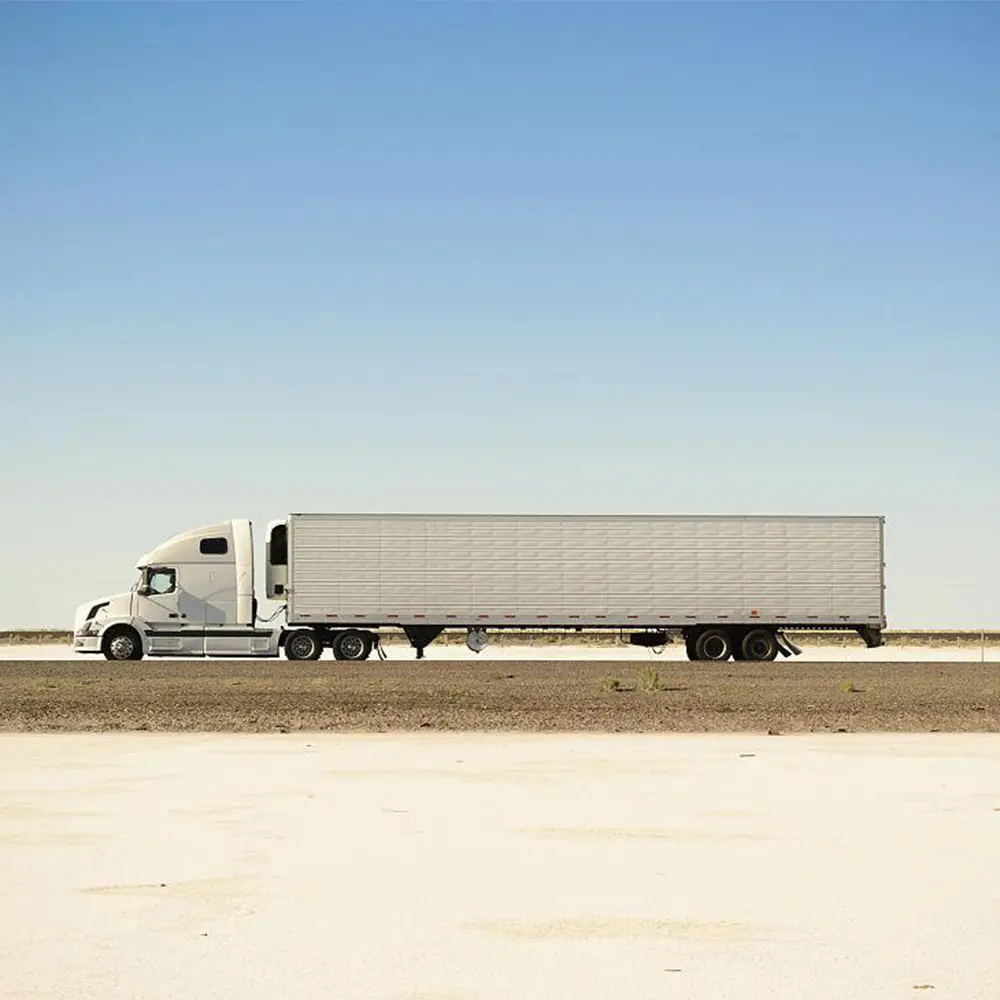
Grundlegende Definitionen und operative Modelle von LTL- und FTL-Lkw-Transport
LTL steht für ‚Less Than Truckload‘ (weniger als eine vollständige Ladung), während FTL für ‚Full Truckload‘ (vollständige Ladung) steht; beides sind grundsätzlich zwei sehr unterschiedliche Methoden zum Transport von Gütern. Bei LTL-Transporten kombinieren Spediteure zahlreiche kleine Sendungen verschiedener Kunden zu einer einzigen, großen Ladung in einem Lkw. Die Ware wird in zentralen Umschlagzentren sortiert, bevor sie erneut weiterbefördert wird. Obwohl diese Methode die Lkw-Kapazität effizient nutzt, erfordert sie mehrfaches Umladen an verschiedenen Standorten, was zeitaufwändig sein kann. Im Gegensatz dazu bedeutet FTL, dass ein kompletter Lkw ausschließlich für die Fracht eines einzigen Kunden reserviert wird und die Sendung direkt vom Ursprungsort zum Zielort befördert wird – ohne Zwischenstopps. Zwar verringert dies das Risiko von Transportschäden durch Handling, doch wenn die Sendung den Laderaum nicht vollständig ausfüllt, entsteht ungenutzter Platz, der anderweitig genutzt werden könnte.
Die operative Divergenz führt zu inhärenten Kompromissen:
- Es ist profitiert von der Wirtschaftlichkeit gemeinsam genutzter Kapazitäten, birgt jedoch durch Konsolidierungs- und Dekonsolidierungszyklen zusätzliche Komplexität
- Flügel priorisiert die Isolierung von Sendungen und die Steuerung der Transportwege auf Kosten der Kosteneffizienz pro Einheit
Spediteure gestalten ihre Netzwerke entsprechend – LTL-Anbieter unterhalten umfangreiche Terminalnetzwerke zur Frachtbündelung, während FTL-Anbieter sich auf die Optimierung direkter Verbindungen konzentrieren. Das Verständnis dieser strukturellen Unterschiede bildet die Grundlage für alle nachfolgenden Entscheidungen zu Kosten, Geschwindigkeit und Risiko in LTL- und FTL-Lkw-Transport .
Kostenstrukturvergleich: LTL-Preisgestaltung nach Frachtklasse vs. FTL-Pauschalpreistransparenz
Wie Frachtklasse, Gewicht und Zusatzleistungen die Kostenvolatilität bei LTL beeinflussen
Bei Less-Than-Truckload-Versandkosten gibt es grundsätzlich drei wesentliche Faktoren, die bestimmen, was jemand zahlen muss: die Frachtklasse (die gemäß dem National Motor Freight Classification-System von 50 bis 500 reicht), das tatsächliche Gewicht einer Sendung im Verhältnis zu ihrer scheinbaren Dichte sowie verschiedene Zusatzleistungen wie beispielsweise die Notwendigkeit eines Hebevorrichtungs-Aufsatzes am Fahrzeug oder eine Lieferung ins Innere des Empfängerstandorts statt nur bis zur Bordsteinkante. All diese unterschiedlichen Faktoren führen zu erheblichen Preisschwankungen. So kostet beispielsweise der Versand von Möbeln in der Frachtklasse 200 in der Regel rund 50 % mehr als der Versand von Gegenständen mit vergleichbarem Gewicht in der Frachtklasse 100 – etwa bei Autoteile-Sendungen. Und vergessen Sie nicht die unvorhergesehenen Kosten für die Versicherung besonders wertvoller Güter, die eine weitere Unsicherheitskomponente hinzufügen. Im Vergleich zum Full-Truckload-Versand, bei dem die Preise in der Regel transparent und eindeutig sind, erschwert dieser komplexe Preisansatz beim LTL-Versand Unternehmen zweifellos die langfristige Budgetplanung.
Stabilität der FTL-Preise – und wichtige Ausnahmen: Kraftstoffzuschläge, Verzögerungsgebühren und Aufenthaltsgebühren
Die Pauschalpreisgestaltung ist es, die FTL für viele Spediteure im ganzen Land so attraktiv macht; sie liegt in der Regel zwischen 2,30 und 3,19 USD pro Meile, je nach Standort. Doch hier gibt es eine Einschränkung, die erwähnenswert ist: Die Transparenz dieser Preise wird kompliziert, sobald bestimmte Situationen ins Spiel kommen. Kraftstoffzuschläge treten ebenfalls sehr häufig auf und können bei plötzlichen Sprüngen der Benzinpreise bis zu 25 % zusätzliche Kosten verursachen. Hinzu kommen Stillstandgebühren („detention fees“), die Spediteure erheben können, wenn das Be- oder Entladen länger dauert als vereinbart – üblicherweise zwischen 65 und 125 USD pro Stunde. Und nicht zu vergessen sind auch die Übernachtungsgebühren („layover charges“), die Fahrer mit etwa 150 bis 250 USD pro Tag belasten, sobald sie warten müssen. Die meisten dieser Zusatzkosten werden in den Verträgen ausdrücklich genannt und sind tatsächlich verhandelbar – im Gegensatz zu den versteckten Gebühren bei LTL-Sendungen, bei denen Unternehmen diese einfach pauschal in den Grundpreis einberechnen, ohne Raum für Verhandlungen zu lassen.
Vergleichende Kosten-Schwellenwerte:
| Faktor | Es ist | Flügel |
|---|---|---|
| Preismodell | Gewicht/Klasse/Entfernung | Pauschalrate pro Meile |
| Kostenfaktor | Dichte, Handling-Gebühren | Marktnachfrage, Saisonalität |
| Break-even-Punkt | 1–6 Paletten | 6–12+ Paletten |
Ab sechs Standardpaletten (48" × 40") wird Full Truckload (FTL) in der Regel wirtschaftlicher – nicht nur aufgrund des Volumens, sondern auch, weil bei Less-than-Truckload (LTL) die volumenbasierte Preisgestaltung ungenutzten Anhängerraum bestraft und die kumulativen Kosten damit die Pauschalrate für FTL übersteigen.
Transitzeit, Zuverlässigkeit und Zeitplan-Kontrolle beim LTL- und FTL-Versand
Das Verständnis der Lieferprognostizierbarkeit ist entscheidend bei der Wahl zwischen LTL- und FTL-Lkw-Transport. Diese Transportarten unterscheiden sich grundlegend hinsichtlich Zeitplan-Kontrolle und Zuverlässigkeit, was sich direkt auf die Effizienz der Lieferkette auswirkt.

Erklärung von LTL-Verzögerungen: Hub-and-Spoke-Routing, mehrfache Umladungen und durchschnittliche Schwankungsbreite von 2–5 Tagen
LTL-Sendungen werden üblicherweise über jene Hub-and-Spoke-Systeme transportiert, die wir landesweit beobachten können. Die Fracht wechselt dabei mehrfach den Besitzer, während sie von einem Terminal zum Lkw und wieder zurück gelangt – was die Wahrscheinlichkeit eines Fehlers auf dem Weg naturgemäß erhöht. Die meisten Sendungen benötigen etwa zwei bis fünf Tage, um ihr Ziel zu erreichen; diese Dauer kann jedoch erheblich variieren. Warum? Zum einen müssen Pakete an verschiedenen Stellen des Netzes zunächst konsolidiert werden. Zudem optimieren Spediteure ihre Routen in der Regel nach dem Gesamtbild ihrer eigenen Logistik, nicht nach den Anforderungen jeder einzelnen Sendung. Und vergessen wir nicht all die unvorhergesehenen Probleme, die immer wieder auftauchen: Schlechtes Wetter trifft einen Teil des Landes, technische Störungen treten anderswo auf – und plötzlich verzögert sich alles. All diese Berührungspunkte entlang der Transportstrecke erzeugen echte Unsicherheit hinsichtlich des genauen Ankunftszeitpunkts – unabhängig davon, wie leistungsfähig das Tracking-System auch sein mag.
FTL-Vorhersagbarkeit: Direkte Routenführung, Fahrerautonomie und 92 % pünktliche Lieferung
Wenn Unternehmen über Ganzzugladungen (FTL) versenden, buchen sie im Wesentlichen einen kompletten Lkw für ihre Frachtanforderungen. Bei dieser Konstellation ist nur ein Fahrer für sämtliche Schritte – vom Abholen bis zum Ausliefern – zuständig, wobei unterwegs keine Zwischenstopps zum Be- oder Entladen weiterer Fracht erfolgen. Die Fahrer können während der Fahrt ihren Weg bei Bedarf anpassen, um Staus oder Straßensperrungen zu umfahren, und gleichzeitig strenge Zeitpläne sowohl am Start- als auch am Zielort einhalten. Eine Betrachtung der jüngsten Spediteurleistungsdaten von Cass Information Systems für das Jahr 2023 zeigt etwas Interessantes zum FTL-Versand: Rund 92 % der Lieferungen treffen tatsächlich termingerecht ein. Warum? Weil bei Verantwortung durch eine einzige Partei die Gefahr einer unsachgemäßen Handhabung geringer ist und sämtliche Ressourcen ausschließlich auf diese spezifische Ladung fokussiert sind. Für Unternehmen, die mit verderblichen Produkten oder hochwertigen Waren arbeiten, bei denen der Zeitpunkt besonders entscheidend ist, bleibt FTL trotz höherer Kosten im Vergleich zu gemeinschaftlich genutzten Ladungen der Goldstandard.
Wann LTL und wann FTL wählen: Datenbasierte Entscheidungskriterien
Die Paletten-Schwellenregel: Warum 6+ Paletten oft die Wirtschaftlichkeit von FTL-Transporten begünstigen
Sobald Sendungen etwa sechs Standardpaletten (jeweils 48" × 40") überschreiten, wird der Versand per Voll-Lkw in der Regel wirtschaftlicher. Dabei geht es jedoch nicht nur darum, mehr Güter zu transportieren. Spediteure für Teil-Lkw-Sendungen berechnen tatsächlich Aufschläge für Artikel, die den verfügbaren Raum unzureichend ausnutzen. Die Rechnung wird interessant, sobald wir weitere Paletten stapeln. Die meisten Teil-Lkw-Anbieter erheben solche Volumengewichts-Zuschläge, sobald im Anhänger zu viel ungenutzter Raum verbleibt – was die Einsparungen im Vergleich zum transparenten Preismodell des Voll-Lkw-Transports erheblich schmälern kann. Ein Blick auf die Zahlen: Der Versand von vier Paletten per Teil-Lkw kostet pro Palette etwa 350 US-Dollar; benötigt jemand jedoch zehn Paletten, sinkt die Gesamtkosten beim Voll-Lkw-Transport auf rund 1.800 US-Dollar insgesamt – das halbiert die Kosten pro Palette nahezu! Natürlich funktioniert dies am besten bei dichteren Produkten. Alles unter 6 Pfund pro Kubikfuß (ca. 96 kg/m³) wird problematisch, da diese leichteren Artikel im Verhältnis zu ihrem tatsächlichen Gewicht deutlich mehr Raum beanspruchen.
Über das Volumen hinaus: Entscheidende Faktoren wie Dringlichkeit, Frachtsensitivität und Handhabungsanforderungen
Allein das Volumen bestimmt nicht die optimale Transportart. Berücksichtigen Sie diese Variablen:
- Dringlichkeit : Die 92-prozentige Pünktlichkeitsrate von FTL (Cass Q4 2023) liegt deutlich über der branchenweiten Durchschnittsrate von 72 % bei LTL – bedingt durch direkte Routenführung und geringere Abhängigkeit von Terminals Dritter.
- Empfindlichkeit der Ware : Pharmazeutika und Elektronik weisen in LTL-Netzwerken 3,2-mal mehr Schäden auf (FMCSA 2023) aufgrund wiederholten Be- und Entladens sowie inkonsistenter Handhabungsprotokolle.
- Besondere Handhabung : Sperrgut, gefährliche Güter oder temperaturkontrollierte Fracht erfordern die spezielle Ausrüstung und die fahrerseitige Überwachung von FTL – LTL-Netzwerke unterstützen selten Spezialanhänger oder eine einheitliche Einhaltung gesetzlicher Vorschriften an allen Terminals.
- Zusatzgebühren : Die Hebebühnen-Dienstleistungen von LTL (ab 85 USD) und die Gebühren für Lieferungen an Privatadressen (ab 120 USD) können die Einsparungen aus den Grundtarifen zunichtemachen – insbesondere bei unregelmäßigen oder selteneren Sendungen.
- Sicherheit hochwertige Sendungen reduzieren das Diebstahlrisiko im FTL-Verkehr (Analyse von TT Club) um 67 % durch eine einzige Handhabung während des Transports und eine kontinuierliche Verantwortlichkeit des Fahrers.
Bevorzugen Sie FTL beim Versand von verderblichen Gütern, zeitkritischen Komponenten oder empfindlichem Lagerbestand – auch bei Mengen unterhalb der Schwelle von sechs Paletten –, um versteckte Risiken im LTL-Verkehr zu vermeiden, die sich negativ auf Qualität, Compliance und Gesamtkosten am Zielort auswirken.
FAQ
Was ist LTL-Spedition?
LTL (Less Than Truckload)-Versand umfasst die Bündelung kleinerer Sendungen mehrerer Kunden in einem Lkw, die an zentralen Hubs sortiert und anschließend zugestellt werden.
Was ist FTL-Versand?
Beim FTL (Full Truckload)-Versand wird ein kompletter Lkw ausschließlich für die Ladung eines Kunden reserviert und fährt direkt vom Ursprungsort zum Bestimmungsort ohne Zwischenstopps.
Was sind die wesentlichen Kostenfaktoren beim LTL-Versand?
Zu den wichtigsten Kostenfaktoren beim LTL-Versand zählen die Frachtklasse, das Gewicht, die Ladungsdichte sowie Zusatzleistungen.
Warum könnte jemand trotz höherer Kosten den FTL-Versand wählen?
FTL-Versand bietet Vorhersagbarkeit, ein geringeres Risiko von Transportschäden und schnellere Lieferung, wodurch er ideal für zeitkritische oder empfindliche Fracht ist.
Was ist kostengünstiger: LTL- und FTL-Lkw-Transport ?
FTL ist bei größeren Sendungen ab sechs Standardpaletten kostengünstiger, während LTL bei kleineren Sendungen, die eine gemeinsame Kapazitätsnutzung erfordern, wirtschaftlicher ist.
Inhaltsverzeichnis
- Grundlegende Definitionen und operative Modelle von LTL- und FTL-Lkw-Transport
- Kostenstrukturvergleich: LTL-Preisgestaltung nach Frachtklasse vs. FTL-Pauschalpreistransparenz
- Transitzeit, Zuverlässigkeit und Zeitplan-Kontrolle beim LTL- und FTL-Versand
- Wann LTL und wann FTL wählen: Datenbasierte Entscheidungskriterien
- FAQ